Seattle Newspaper for the People by the People

Category archive

Headline News - page 25

The Story of Tesla & Elon Musk
Tesla

Tesla was founded in 2003 by a group of engineers in Silicon Valley. This group wanted to make an electric car with instant torque, power, and zero emission—something better than the existing gasoline-powered car. The mission was to move the world towards sustainable energy. Building, financing, and creating Tesla did not come without it’s challenges—both early and late in the game.

Tesla was and is unlike any car built before. The steep learning curve of creating a consumer friendly electronic car was a bold move for a group of Silicon Valley engineers, and success did not come overnight. The story of Tesla is touch and go. Trying to innovate new work while fixing arising problems. Tesla’s engineers first designed a power-train for a sports car built around an AC induction motor, patented in 1888 by Nikola Tesla, the inventor who inspired the company’s name.

The face of Tesla today is Elon Musk although he was not the founder of the company. Tesla was founded by Martin Eberhard and Marc Tarpenning in July 2003. Their mission was to make an electric sports car. This was not the first time an electric car had been attempted, but Tarpenning and Eberhard wanted to take a different spin on how other manufacturers envisioned the car. Eberhard and Tarpenning connected with Elon Musk when while attending a conference at Stanford University where Musk was speaking. Eberhard approached Musk about the idea of an electric sports car. Eberhard realized that Musk was the first guy he had met who shared his vision for electric cars, ‘Make a vastly superior car, not just a car that sucks less’.

According to Tesla News, Musk led the company’s $7.5 million Series A financing round in February 2004. This is when Musk became Chairman of the Board for Tesla. In February 2005, Elon Musk again led another round of financing to get $13 million more into the company during the development of the yet-announced Tesla Roadster. Then, in 2007, the company raised a $40 million Series C co-led by Musk and Technology Partners. Musk was invested financially and motivated to see Tesla succeed.

On July 19th, 2006 Tesla’s first production vehicle was shown by CEO Martin Eberhard and the company’s chairman Elon Musk at an invite-only event at the Santa Monica airport. The high of this event was short lived because by the end of 2007 because Tesla was burning through company money at an unsustainable rate and needed different leadership. In December 2007, Ze’ev Drori, a successful high-tech entrepreneur and proven chief executive, became CEO and President. In October 2008, Musk succeeded Drori as CEO. Drori became Vice Chairman, but then left the company in December. By this time, Musk had put $70 million of his own money into Tesla.

In 2008 Tesla Motors released its first car, the completely electric Roadster. In company tests, it achieved 245 miles on a single charge, a range unparalleled for a manufacture electric car. Additional tests showed that its performance was comparable to that of many gasoline-powered sports cars. The Roadster could accelerate from 0 to 60 miles per hour in less than 4 seconds and could reach a top speed of 125 miles per hour. The lightweight car body was made of carbon fiber. The Roadster produced no tailpipe emissions, as it did not use an internal-combustion engine. The vehicle’s electric motor was powered by lithium-ion cells. Despite a federal tax credit of $7,500 for purchasing an electric vehicle, the Roadster’s cost of $109,000 made it a luxury item. Not yet a car accessible economically to the general public. If the end goal was making sustainable energy accessible, the cost of the car had to come down. In 2010 Tesla raised $226 million. It became the first America car company to go public since Ford in 1956.

In 2012, Tesla launched Model S, the world’s first premium electric sedan. Built from the ground up to be 100 percent electric, Model S has redefined the very concept of a four-door car. With room for seven passengers and more than 64 cubic feet of storage, Model S provides the comfort and utility of a family sedan while achieving the acceleration of a sports car: 0 to 60 mph in about five seconds. Its flat battery pack is integrated into the chassis and sits below the occupant cabin, lending the car a low center of gravity that enables outstanding road holding and handling while driving 265 miles per charge. Model S was named Motor Trend’s 2013 Car of the Year and achieved a 5-star safety rating from the U.S. National Highway Traffic Safety Administration.

In 2012 Tesla stopped production of the Roadster to concentrate on its new Model S sedan, which was acclaimed by automotive critics for its performance and design. It came with three different battery options, which gave estimated ranges of 235 or 300 miles. The battery option with the highest performance gave an acceleration of 0 to 60 miles per hour in slightly over 4 seconds and a top speed of 130 miles per hour. Unlike the Roadster, which carried its batteries at the front of the car, the Model S had its underneath the floor, which gave extra storage space in front and improved handling because of its low center of gravity.

In late 2014, Tesla CEO Elon Musk unveiled two dual motor all-wheel drive configurations of Model S that further improve the vehicle’s handling and performance. The 85D features a high efficiency motor at the front and rear, giving the car unparalleled control of traction in all conditions. The P85D pairs a high efficiency front motor with a performance rear motor for super car acceleration, achieving a 0 to 60 mph time of 3.2 seconds – the fastest four-door production car ever made. Tesla managed to make the P85D even faster in July of 2015. The car’s “Insane” mode becomes “Ludicrous” mode, shaving the 0-60 speed from 3.1 seconds to 2.8 seconds. Unlike the first improvement, the upgrade isn’t free this time. Requiring new hardware that can handle higher voltages without melting, the upgrade costs $5,000 for existing P85D owners. With this upgrade, the P85D becomes one of the Top 20 fastest accelerating production cars in the world.

In March of 2016, Tesla revealed a more affordable Model 3. The base model will start at $35,000 and is scheduled to start shipping at the end of 2017. Pre-orders opened the night of the announcement. By the end of the evening 150,000 orders had been recorded. That is three times more Tesla shipped in all of 2015.
Tesla’s vehicles are produced at its factory in Fremont, California, previously home to New United Motor Manufacturing Inc., a joint venture between Toyota and General Motors. The Tesla Factory has returned thousands of jobs to the area and is capable of producing 2,000 cars a week.

The company is expanding its manufacturing footprint into other areas, including in Tilburg, the Netherlands, where it has an assembly facility, and Lathrop, California, where it has a specialized production plant. To reduce the costs of lithium ion battery packs, Tesla and key strategic partners including Panasonic have begun construction of a gigafactory in Nevada that will facilitate the production of a mass-market affordable vehicle, Model 3. By 2018, the gigafactory will produce more lithium ion cells than all of the world’s combined output in 2013. The gigafactory will also produce battery packs intended for use in stationary storage, helping to improve robustness of the electrical grid, reduce energy costs for businesses and residences, and provide a backup supply of power.

Today, Elon Musk is considered to be one of the most influential inventors of the 21st century.
How does the Bair Hugger Work?

Surgery with Bair Hugger by 3M

Surgery can be pretty intimidating and is very serious business. Most people heading into a surgery are worried about potential complications and a long, painful recovery. Although complications are rare, they can happen. For example, sometimes there can be excessive bleeding during surgery, delayed healing after the surgery, and patients can get infections during surgery. There are certain factors that can exacerbate or lead to these complications. But thankfully, modern science has helped to create a device that helps reduce the risk of complications during surgery. The Bair Hugger is a forced-air warming system owned by 3M to prevent and treat hypothermia and to help prevent other complications in patients during surgery. The Bair Hugger has become an integral addition to thousands of operating rooms in hospitals all over the United States.

No matter how safe or commonplace a surgery might be an individual undergoing any surgical procedure is bound to face complications. There is a reason why patients must sign release forms previous to a surgery. In the late 80’s, a certain device was introduced in surgical rooms that helped to greatly reduce the potential side effects and complications from surgery. The Bair Hugger system includes blankets, warming units and accessories and has been used on more than 180 million patients in more than 80 percent of the hospitals in the United States. The inventor of the Bair Hugger was focused on trying to solve the common issue of hypothermia during surgery. The body while under anesthesia has a difficult time maintaining its temperature. Almost all patients become hypothermic during surgery. When a person becomes hypothermic, their body expels heat faster than it can produce it.

Hypothermia is very common during the first hour of surgery and the longer the patient’s body remains hypothermic, the more likely they would be that they would have to receive a transfusion. Dr. Daniel Sessler, of the Department of Outcomes Research at the Cleveland Clinic in Ohio, told Reuters Health that, “Most patients become hypothermic during the first hour of anesthesia and then temperature slowly returns toward normal, so that by the end of the surgery most patients are normothermic,” Dr. Sessler told Reuters Health in a telephone interview. “But the amount of hypothermia that we saw and the number of hypothermic patients was fairly high, and the amount of hypothermia was significantly associated with the need for blood transfusion.”

Bair Hugger Warmer Unit 505
Dr. Sessler also has spoken out about the benefits of forced air warming during surgery. He said that, “One approach you could use is to pre-warm patients, say, for a half hour before surgery. That effectively loads the body with heat, and then their core temperature decreases less.” The pre-warming will help to reduce the risk of the body temperature dropping during surgery hence helping to greatly reduce complications from hypothermia. This is why the Bair Hugger is so important. This forced-air, warming system is the best way to help maintain the temperature of an individual during a surgery.

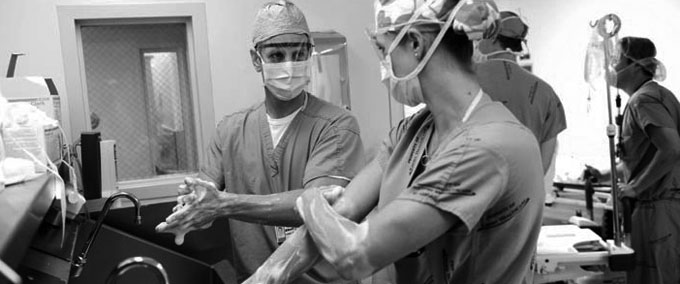
The Bair Hugger warming unit is a very straightforward system. It consists of a warming unit and a disposable blanket. The disposable blanket is connected to the warming unit via a tube. The blanket is placed on top of the patient and warm air is gently forced into the blanket and then it circulates through the blanket. The blankets are designed to use the pressure points on the body to prevent heat from reaching areas that are at risk for pressure sores or burns. The blankets also include drainage holes where the fluid can drain from the surface of the blanket to a piece of linen underneath. The drainage system is to help reduce the risk of skin softening and also reduce the risk of heat loss from evaporation. The blankets are disposable in order to help prevent the chance of infection transmission from patient to patient.

Currently 3M is the owner of the Bair Hugger. A company named Arizant originally owned the Bair Hugger until Arizant was bought by 3M. The company that is best known for the post-it note, also has products for sale in a variety of fields including healthcare. They also offer a variety of infection prevention products that include casts and splints, fluid warmers, hygiene monitors, drapes, masks and respirators, sterilization monitors and temperature monitors.

The popularity of the Bair Hugger is undeniable. Doctors and hospitals all over the United States use the Bair Hugger every day to help prevent hypothermia. However, there is an outspoken critic to the Bair Hugger and it happens to be the individual who invented it. The doctor that invented the Bair Hugger has publically stated that he believes that the Bair Hugger can cause surgical site infections. However, numerous studies were conducted that have proved those claims to be incorrect. Both internal and external studies were conducted and over 60 clinical trials proved that the Bair Hugger is safe and effective. Dr. Javad Parvizi, Professor of Orthopedic Surgery, Rothman Institute at Thomas Jefferson University, analyzed the evidence presented that FAW increased infections. He said, “There is no scientific proof that the use of forced-air warming blankets lead to an increase in surgical site infection regardless of the type of surgical procedure and the type of operating room.”

The Bair Hugger system is the preferred patient warming device in 8 out of the top 10 orthopedic hospitals in the United States. Regardless of 3M backing the product, hospitals have been using the system for decades now and have the scientific backing to prove that it is the best system on the market. Numerous studies have been conducted and numerous clinical trials have taken place that help bolster the claims that the Bair Hugger is the best product on the market.

Resources:
http://www.fawfacts.com/
https://solutions.3m.com/wps/portal/3M/en_GB/patient-warming/-/

The History of SpaceX & Elon Musk

SpaceX

SpaceX was founded in 2002 by Entrepreneur Elon Musk. The company headquarters are located in Hawthorne, California. SpaceX designs, manufactures and launches advanced rockets and spacecraft. The company vision is to revolutionize space technology, with the goal of enabling people to live on other planets. Musk wants humans on Mars–to flourish, live, and create an ‘Earth-like’ planet over time. But why Mars? The reason to go is that we have two paths as humans, Musk said: One path is we stay on Earth forever and eventually face an extinction event. The alternative is to become a space-faring and multi-planetary species, “which I hope you would agree that is the right way to go.” The goal then is to create a self-sustaining city that isn’t just an outpost, he explained, but that “can become a planet in its own right.” Mars makes sense for this because of several reasons, including its size similarity to Earth. If you want to read more about Elon Musk, check out the exclusive article on the Emerald City Journal about how he is the 21st century Father of invention.

The journey to Mars began in 2006 when Musk invested 100 million dollars into his start-up with the goal of building rockets. SpaceX has focused on three rockets, the Dragon, Falcon 9, and Falcon Heavy. SpaceX has gained worldwide attention for a series of historic milestones. It is the only private company ever to return a spacecraft from low-Earth orbit, which it first accomplished in December 2010. The company made history again in May 2012, when its Dragon spacecraft attached to the International Space Station, exchanged cargo payloads, and returned safely to Earth—a technically challenging feat previously accomplished only by governments. Since then Drago has delivered cargo to and from the space station multiple times, providing regular cargo resupply missions for NASA.
SpaceX has a busy future ahead, as a contract with NASA will fund its work. Under a $1.6 billion contract with NASA, SpaceX is flying numerous cargo resupply missions to the International Space Station, for a total of at least 20 flights under the Commercial Resupply Services contract. In 2016, NASA awarded SpaceX a second version of that contract that will cover a minimum of 6 additional flights from 2019 onward. Soon, SpaceX will carry crew as part of NASA’s Commercial Crew Program as well. Dragon was designed from the outset to carry astronauts and SpaceX is in the process of upgrading Dragon to make it crew-ready. SpaceX is the world’s fastest-growing provider of launch services and has over 70 future missions on its manifest, representing over $10 billion in contracts. These include commercial satellite launches as well as NASA and other US Government missions. Currently under development is the Falcon Heavy, which will be the world’s most powerful rocket. SpaceX continues to work toward one of its key goals—developing reusable rockets, a feat that will transform space exploration by delivering highly reliable vehicles at radically reduced costs.

Elon Musk official SpaceX biography below:
http://www.spacex.com/elon-musk

Musk believes that there are certain roadblocks to the colonization of Mars- the big issue being who wants to go and who can afford to go. Currently, the cost numbers about $10 billion per person. Musk is working to achieve overlap between people who want to go and people who can afford to go. His goal is to get the cost of moving to Mars around $200,000. The idea being that is people saved up and this was their primary goal, they could make it work. So how does Musk plan to make the cost reduction? Musk noted that this is where it gets tricky. How does one improve the cost of trips to Mars by 5 million percent? The key ingredients are full re-usability of ships and vehicles, and the rest is made up by refiling in orbit, producing more propellant on Mars for return trips, and choosing the right propellant to make that possible and efficient.

Musk said the more frequent the flights, the more the trip on a terrestrial aircraft goes down. He used an example to illustrate saying, “It cost $43 for LAX-to-San Diego flights, for instance, versus $1 million for single use trip if the aircraft were turned every time it made a run.” The number of times it’s feasible to re-use craft for Mars verses flying commercial on Earth, is less, since you can use the spaceship part only every two years. But the booster and tanked can be “used as much as you like,” letting you refill the spaceship in orbit and giving you a large payload capability for that spaceship’s trip to Mars.” The re-usability of ships back and forth between Mars is another key cost reduction ingredient, and that requires building a propellant plant on Mars, Musk said. Mars happens to work out well for that because of CO2 atmosphere and water ice in the soil. Managing fuel type also influences the cost and there are three main choices. These include kerosene, hydrogen/oxygen, and deep-cryo methalox. Musk’s target sustainable population is 1 million people for a Mars colony, and that means 100 people per trip is 10,000 trips. At that rate, it will take 40 to 100 years to colonize Mars. Musk notes how he wants the journey to Mars to be experienced. According to TechCrunch, “It has to be really fun and exciting, and can’t feel cramped or boring.” This means ships would include movies, cabins, restaurants, zero-gravity games, and whatever else is thought up.

Between the testing funded by NASA and the cost-reduction problem, getting to Mars will take time? But the question is, how much time? Musk said that SpaceX is looking to compete the first development spaceship in about four years, and to starting doing server like flights within that time. Musk said he would probably name the first ship that goes to Mars Heart of Gold, referencing the ship from Hitchhiker’s Guide to The Galaxy. “I like that it’s driven by infinite improbability because our ships is also infinitely improbably.”

SpaceX Secures Mars Rocket Factory in Los Angeles

A true entrepreneur, Musk founded his third company, in 2002 called Space Exploration Technologies Corporation, or SpaceX with the intention of building spacecraft for commercial space travel. The company has excelled in the past two years, and just hit another important milestone. The factory for the Big Falcon Rocket, produced by SpaceX, will be built in the Port of Los Angeles, according to media reports. SpaceX has secured the necessary approval from the LA Board of Harbor Commissioners to proceed with the factory.

CEO Elon Musk expects the new rocket to be around 350 feet high and around 30 feet in diameter. This size will require the space vehicle to be transported on an ocean-going barge to Cape Canaveral, Florida, via the Panama Canal. The location of the factory near a waterfront will make it easy to transport the rocket for testing and its consequent launch. The launch vehicle’s design makes it reusable, and it will be built in two different parts, the booster stage, and the upper stage. The booster will handle the operations related to the landing capacities of the Falcon rockets, while the upper stage will be built to transport satellites, supplies, as well as people. According to a Port executive, Florida, Texas and Louisiana were considered as alternatives for building the BFR, whose 30-foot diameter is too large to transport by a truck like Falcon rockets and requires that it be barged. The Port of Los Angeles will charge SpaceX $1.38 million per annum. “This is the perfect spot to build our big rocket,” said Bruce McHugh, SpaceX’s director of construction and real estate, during a public meeting of the Los Angeles Board of Harbor Commissioners. Based on the necessary land surveys, the waterfront of the Los Angeles port appeared as the most suitable site. The new rocket manufacturing facility is expected to be built on a 19-acre plot on the mostly artificial island that’s part of the port.

SpaceX has made its mark in the space industry and has emerged as a competitor among other successful companies. One of their major milestones can be marked on Feb. 6, 2018 when SpaceX successfully launched the Falcon Heavy which is the most powerful operational rocket in the world. While the launch is a technical and style feat in itself, SpaceX has also achieved a business feat. The company has radically reduced the costs of launching a rocket. Musk has talked about the reusability of technology being a contributing factor to colonizing Mars. The first trip in 2022 would drop off equipment made to harvest water and carbon dioxide from the air and convert it into methane using solar energy. That fuel would be stored in depots to refill Earth-bound BFRs. The second trip in 2024 which would be crewed by astronauts. The company is building this craft to take people to the Red Planet and other destinations throughout the solar system. The spaceship will likely accommodate 100 or more passengers at a time. SpaceX has said it plans to use the BFR to help establish a million-person city on Mars, ideally in the next half-century or so.

The first crewed Red Planet mission could come in the 2020s, according to Musk. Musk has said, “People have told me that my timelines, historically, have been optimistic,” Musk said at SXSW. Between Tesla release dates and SpaceX launch delays, Musk has a sense of humor about the process of being an innovator and entrepreneur. Key to his thinking is the concept of reusability, part of the reason the Falcon 9 mission was such a milestone for SpaceX. The same vehicle could fly again and again. Musk knows that future technology must also be sustainable. This is his whole outlook, not to just advance society, but to sustain one. In 2012, SpaceX advertised a launch price of $57 million for Falcon 9, a two-stage rocket designed and manufactured by the company to transport satellites. At that point of time, the market for rocket launches was dominated by Arianespace, a French company that had a head start of more than three decades over SpaceX. The ultimate goal of SpaceX is to colonize Mars. Human civilization faces many grave threats over the long haul, from asteroid strikes and climate change to artificial intelligence run amok, Musk has said over the years. Musk has warned for some time about the dangers to AI and the threat that it poses the survival of humanity. In a span of five years, Musk has led SpaceX to close the gap between cost and competition. SpaceX has been working to make its rockets partially reusable since as early as 2011. Up until this year, pretty much all orbital rockets have been expendable, so they’re disposed of once they launch into space. That means an entirely new rocket, which can cost tens to hundreds of millions of dollars to make, must be built for each mission to orbit. SpaceX’s strategy has been to land its rockets after launch to fly them again and again. SpaceX has become more cost-efficient with this success. The company can now save hundreds of millions when launching rockets. Regardless of its inspirations, the company was forced to adopt a goal, make it cheaper. With rocket technology, Musk has said, “you’re really left with one key parameter against which technology improvements must be judged, and that’s cost.”

As previously mentioned Musk believes that humans have the best chance of survival if they are a multi-planetary species. Musk said he would probably name the first ship that goes to Mars Heart of Gold, referencing the ship from Hitchhiker’s Guild to The Galaxy. “I like that it’s driven by infinite improbability because our ships are also infinitely improbably,” Musk said. Musk doesn’t sugarcoat his feeling about humans and their ability to repeat mistakes without realizing how large the implications could be. “Last century, we had two massive world wars — three if you count the Cold War,” Musk said earlier this month at the SXSW festival in Austin, Texas. “I think it’s unlikely that we’ll never have another world war again,” Musk said. As bleak as these statements might seem for the future of humanity, it isn’t as far-fetched to see that we could ultimately destroy our species with how we treat our world and rising international tension. Rather than a pessimist, Musk is a realist, with a plan. Obtaining the proper space to build this history-changing rockets puts Musk and his team on their way to colonizing Mars. The mayor of LA is excited about this opportunity to help the company. Los Angeles Mayor Eric Garcetti said, “This is a vehicle that holds the promise of taking humanity deeper into the cosmos than ever before,” further adding about the benefits of employment creation in the region, “And this isn’t just about reaching into the heavens. It’s about creating jobs right here on Earth.” And Musk has been rather blunt in saying that to keep jobs on earth, we need to extend our presence outside of the planet we currently inhabit. The new factory expected to employ around 700 people.

What does it take to build a successful business or empire? Entrepreneurs look at the Elon Musk’s of the world and ask themselves the same thing. How has he been as successful as has? Entrepreneurs can often rub people the wrong way because they’re passionate about what they’re working towards and show it. They typically have strong opinions and personalities and aren’t afraid to tell you what they think. This is what makes them so successful. Most entrepreneurs fail a business or start-up at some point. They are risk-takers and dreamers at heart. The difference between your average Joe and an entrepreneur, is that failure is not a roadblock to an entrepreneur but will fuel them into another venture. An entrepreneur puts in more hours and can see beyond the everyday operations of a business and does more dirty grit work than anyone will ever know about. They do not listen to those who say ‘it can’t be done,’ they are too busy working to make it happen. If you get caught up in the “buts” or little details of things, it will be difficult to get out of your own way. Entrepreneurs chose to look past what others see as obstacles and think of what ‘could be.’ They think bigger than most people. This vision is fueled by the right people, a healthy dose of confidence, and a work ethic that doesn’t quit. Between SpaceX and Tesla, there were plenty of times other people would have thrown the towel in. Musk wants humans on Mars–to flourish, live, and create an ‘Earth-like’ planet over time. But why Mars? The reason to go is that we have two paths as humans, Musk said: One path is we stay on Earth forever and eventually face an extinction event. The alternative is to become a spacefaring and multi-planetary species, “which I hope you would agree that is the right way to go.” The goal then is to create a self-sustaining city that isn’t just an outpost, he explained, but that “can become a planet in its own right.”

Musk knew that it was a long shot to get SpaceX to where it stands today, but it’s a pretty big milestone have locked down a location where his company will be producing the BFR. Elon Musk poses a special kind of tenacity and perseverance that a leader of innovative companies should poses. Musk is a professional at maximizing time and energy. A recent email he sent to his company was praised for its professional, productive, and powerful message. Don’t waste time doing things that aren’t moving things forward. Musk is a professional at time management and getting things done. Sure, there might be setbacks and systems to improve with the BFR and getting to Mars, but that won’t stop him from moving forward. And when trying to do something that no one has done before, this is just the kind of thinking that is needed. The SpaceX website features a quote by Musk that nicely summarizes his motivation behind his efforts to colonize Mars. Musk says, “You want to wake up in the morning and think the future is going to be great – and that’s what being a spacefaring civilization is all about. It’s about believing in the future and thinking that the future will be better than the past. And I can’t think of anything more exciting than going out there and being among the stars.” SpaceX is often keeping people on their toes with a heavy lineup of rocket launches. This year projects the most robust rocket launching schedule we have seen. SpaceX technicians at Cape Canaveral are readying for the first launch of an upgraded Falcon 9 rocket configuration next week, a mission that will debut changes to make the launcher safer for astronauts and make it easier and less expensive for the company to reuse first stage boosters. The launch is set for the first week of May.

Elon Musk Shows Off ‘Tool’ on Instagram for Mars-Colonizing Spaceship

Colonizing Mars has always been Elon Musk’s vision for humanity. Creating sustainable technology, cost of experimentation and travel, and safely establishing life on a new planet have been viewed as ambitious undertakings. Musk is an active social media user and showed off his new “tool” for colonizing Mars in an Instagram post. The Instagram photo was of “the main body tool” for the BFR (Big Falcon Rocket, or Big F—ing Rocket). This post was shared shortly after Musk’s full paper, titled “Making Life Multi-Planetary,” published by the journal New Space. The paper published in the journal New Space is based on Elon Musk’s October 2017 talk that he gave in Australia. The action plan is starting to take shape, as shown in the Instagram post.

Elon Musk recently outlined in an academic paper on what life on the red planet could look like. The BFG is the key to these mars missions going efficiently. With the BFG the spaceflight system will be extremely flexible, and SpaceX has said it plans to use the rocket for a variety of purposes, from planetary settlement to satellite launches to point-to-point transportation of people here on Earth. Musk has said that the company aims to eventually phase out its other rockets and spacecraft and let BFR carry the load. SpaceX founder and CEO Elon Musk posted a photo on Instagram on April 8, 2018. It shows “the main body tool” for the company’s Mars-colonizing BFR spaceship, along with a Tesla car for scale. And the Tesla car looks like unimpressive next to the sizeable piece of machinery.

The company is building this craft to take people to the Red Planet and other destinations throughout the solar system. The spaceship will likely accommodate 100 or more passengers at a time. The BFR will also incorporate a rocket, which will feature 31 Raptor engines and be capable of lofting 150 tons to low Earth orbit. The BFR rocket-spaceship combo will stand 348 feet tall when stacked together, Musk has said, and both components will be fully reusable. SpaceX has said it plans to use the BFR to help establish a million-person city on Mars, ideally in the next half-century or so. The first crewed Red Planet mission could come in the 2020s, according to Musk.
The new photo isn’t the first clue of BFR progress that Musk has put out there. The entrepreneur said at the South by Southwest (SXSW) Conference in Austin, Texas, that construction of the first prototype BFR spaceship is underway. That vehicle could be ready for its first short test flights by the first half of 2019, he said. The Instagram post was a reminder the public know that they are working hard on the development of the rocket. Plus, it looks awesome next to the Tesla.

The ultimate goal of SpaceX is to colonize Mars. Human civilization faces many grave threats over the long haul, from asteroid strikes and climate change to artificial intelligence run amok, Musk has said over the years. Musk has warned for some time about the dangers to AI ad the threat that it poses the survival of humanity. Musk has recently commented on how we regulate AI and technology Amid the firestorm surrounding Facebook CEO Mark Zuckerberg’s Senate hearing, Tesla CEO Elon Musk, about the Facebook controversy during an interview Tuesday in California. “Do you think now is the time for regulations in Silicon Valley?” “I think whenever something is – whenever there’s something that affects the public good then there does need to be some form of public oversight. … I do think there should be some regulations on AI. I think there should be regulations on social media to the degree that it negatively affects the public good,” Musk said. Musk has a habit of bringing up his concern for AI in a fairly regular way. In a recent interview at SXSW talk, he said, “I’m very close to the cutting edge in AI,” Musk said, and that seems to both excite and scare him. “It’s capable of vastly more than almost anyone knows, and the rate of improvement is exponential,” he explained, using AlphaGo’s history of learning as an example. “Mark my words: AI is much more dangerous than nukes,” Musk warned, adding that there should be a “regulatory oversight” for the technology. “We have to ensure that the advent of digital super-intelligence is one which is symbiotic with humanity,” Musk said. “I think that’s the single, biggest existential crisis that we face — and the most pressing one.”

As previously mentioned Musk believes that humans have the best chance of survival if they are a multi-planetary species. Musk said he would probably name the first ship that goes to Mars Heart of Gold, referencing the ship from Hitchhiker’s Guild to The Galaxy. “I like that it’s driven by infinite improbability because our ships are also infinitely improbably,” Musk said. Musk doesn’t sugarcoat his feeling about humans and their ability to repeat mistakes without realizing how large the implications could be. “Last century, we had two massive world wars — three if you count the Cold War,” Musk said earlier this month at the SXSW festival in Austin, Texas. “I think it’s unlikely that we’ll never have another world war again, ” Musk has said. A true entrepreneur, Musk founded his third company, in 2002 called Space Exploration Technologies Corporation, or SpaceX with the intention of building spacecraft for commercial space travel. As bleak as these statements might seem for the future of humanity, it isn’t as far-fetched to see that we could ultimately destroy our species with how we treat our world and rising international tension. Rather than a pessimist, Musk is a realist, with a plan.

In his most recent academic paper, Musk focuses on what technology would be used, the importance of reusability, cost, and timelines. Musk elaborated on SpaceX’s plans to build a fully reusable system. Explained in his new study and presentation, the spaceship can be refilled with fuel while in orbit, then fired off to the moon, Mars, or somewhere else in the solar system. SpaceX’s first missions to Mars would come in 2022 and 2024, according to Musk’s plan — though he has emphasized that the timeline is “aspirational.” “People have told me that my timelines, historically, have been optimistic,” Musk said at SXSW. Between Tesla release dates and SpaceX launch delays, Musk has a sense of humor about the process of being an innovator and entrepreneur. The first trip in 2022 would drop off equipment made to harvest water and carbon dioxide from the air and convert it into methane using solar energy. That fuel would be stored in depots to refill Earth-bound BFRs. The second trip in 2024 which would be crewed by astronauts.

In Musk’s paper, earth to earth transportation is addressed in the context of using the same technology as the BFR. Musk said, “most of what people consider to be long distance trips would be completed in less than half an hour. The great thing about going to space is there is no friction, so once you are out of the atmosphere, it will be smooth as silk. No turbulence. If we are building this thing to go to the Moon and Mars, then why not go to other places on Earth as well”?

Musk also addressed what life will look like on the red planet in his paper. “It will start off building just the most elementary infrastructure, just a base to create some propellant, a power station, blast domes in which to grow crops — all of the sorts of fundamentals without which you cannot survive,” Musk said. Using his own entrepreneurial wired brain, Musk also made a comment about the immense ventures and new ideas that mars could actualize. “And then really there’s gonna be an explosion of entrepreneurial opportunity because Mars will need everything from iron foundries to pizza joints. I think Mars should have great bars: The Mars Bar.” Musk has said SpaceX plans to test-launch the first spaceship on short “up-and-down flights” before the summer of 2019. This will likely occur at SpaceX’s remote facility in McGregor, Texas.

SpaceX recently applied to take over an 18-acre site in the Port of Los Angeles, which is 14 miles south of its Hawthorne, California headquarters. The goal appears to be the construction of a factory that will build the first BFR spaceships. Musk has said SpaceX plans to test-launch the first spaceship on short “up-and-down flights” before the summer of 2019.

Musk says, “Becoming a multi-planet species beats the hell out of being a single planet species. We would start off by sending a mission to Mars where it would be obviously just landing on the rocky ground or dusty ground.” Put simply; the stars are beginning to align for the very first testing campaign of full-scale prototypes of the rocket SpaceX intends to colonize Mars with. The company’s aspirational timelines can, of course, be expected to slip, but SpaceX is undeniably acquiring the hardware it will need to build those prototypes, near its prospective Port of San Pedro BFR factory, and essentially paving the way to initial hot-fire testing of a partially integrated spaceship sometime next year. A Tesla fan created a fun, Pixar-esque Elon Musk tribute video. Featuring scenes from Musk’s early days a student getting bullied, having a curiosity of life beyond earth, becoming a Silicon Valley entrepreneur to the Tesla and SpaceX CEO eventually making it to Mars, the short clip is an enjoyable watch from beginning to end. There are those out there who are cheerleading and campaigning for the dream to be a reality. SpaceX has been working to make its rockets partially reusable since as early as 2011. Up until this year, pretty much all orbital rockets have been expendable, so they’re disposed of once they launch into space. That means an entirely new rocket, which can cost tens to hundreds of millions of dollars to make, must be built for each mission to orbit. SpaceX’s strategy has been to land its rockets after launch to fly them again and again. SpaceX has become more cost-efficient with this success. The company can now save hundreds of millions when launching rockets. Musk is realistic in saying “For the people who go to Mars, it’ll be far more dangerous. It kind of reads like Shackleton’s ad for Antarctic explorers. ‘Difficult, dangerous, good chance you’ll die. Excitement for those who survive.’ That kind of thing,” the entrepreneur warned.

The Need for Forced Air Warming During Surgery

Hospital Professionals

There has been a lot of controversy lately about forced air warming blankets and their use during surgery. 3M’s popular product, the Bair Hugger has been one of the most popular forced-air warming systems (FAW) on the market. The Bair Hugger has been used thousands of times in thousands of hospitals across the United States. Currently, there are pending lawsuits against 3M claiming that the Bair Hugger causes infections post surgery. Attorneys are heavily advertising in multiple areas trying to convince previous patients that any complications they experienced post surgery were due to the Bair Hugger. If this were a valid issue then the lawsuits would be warranted. However, the lawsuits are baseless and have only caused unnecessary confusion and pain amongst people who truly have suffered. Frivolous lawsuits cause pointless panic and are a great way to generate cash flow for these law firms. It is important to break down exactly what the Bair Hugger does and how the system is used during surgery to help maintain normothermia. You can read more about the facts on the product based on science here on http://www.fawfacts.com.

Many people have questions about why a forced air warming system would even be used in the first place during their surgery. FAW systems and blankets have been used for decades in operating rooms everywhere. The rational behind using a warming blanket is to help maintain body temperature during the surgery. The reason why it is important to maintain body temperature is because it helps to reduce the risk of infection and it helps to reduce the chances of getting hypothermia. Patients under going general anesthesia are at risk of developing hypothermia during surgery because anesthesia causes an inhibition of thermoregulatory control in the body. Also because of the cooler temperatures required for a sterile surgical environment, the body can lose heat very quickly. These incidents can cause grave issues post surgery. A forced-air warming blanket can help resolve these issues and keep the body at a normal temperature during surgery.

Dr Michelle Stevens Photo
Dr Michelle Stevens – Chief Medical Officer at 3M
Not only is the Bair Hugger an important part of the surgery procedure, it safe as well. Did you know the Navy uses them and have an operational manual published. There have been numerous studies done on the Bair Hugger to prove that it is safe and doesn’t cause surgical site infections. In fact, Dr. Michelle Stevens, a Chief Medical Officer, was quoted as saying, ““There is not a single, credible scientific study that associates the Bair Hugger system with a surgical site infection. On the contrary, there is ample evidence that it actually helps patients.” There are particular claims that have been made about the Bair Hugger in these lawsuits that have been proven to be groundless. Every time a claim was made, a study would be conducted to disprove that claim. One claim is that the air-flow paths of the Bair Hugger units are contaminated with bacteria. Studies conducted on patients in real surgical settings found that the forced-air warming does not contaminate the sterile field or increase bacterial counts. Another claim that was made is that waste hot air convection currents transport contaminated air into the surgical site. These claims were tested in actual surgical conditions as well and it was discovered that the FAW does not increase bacterial count and may actually decrease it. They also discovered that the Bair Hugger does not created any waste hot air convection currents. The warm air released through the blanket quickly dissipates and mixes into the cooler operating room air. These and numerous other studies have proven time and time again that forced air warming is safe and effective.

So if studies have shown the Bair Hugger to be safe, why are they so many lawsuits? The answer is simple. Unfortunately, the original inventor of the Bair Hugger, Scott Augustine is the driving force behind the claims. Originally, he made a lot of money when he sold the device to Arizant. He had a very public falling out with Arizant and the feud is well known in the medical community. He then created a new product that is in direct competition with the Bair Hugger that he claims is safer but has no evidence to prove those claims. Arizant is now a 3M company. A majority of the medical industry agrees that his attack on the Bair Hugger is the result of a personal vendetta and not based on sound medical advice. This isn’t the first time Augustine has had issues. In 2009, he plead guilty to a single misdemeanor charge from a Medicare fraud investigation and had to pay a $2 million fine and was barred for 5 years from participating in federal health care programs.

The claims have now made there way to the legal community. Attorneys have picked up on the misdirected claims and have started to heavily advertise for patients who have experienced post surgical issues. It was later discovered that a law firm that also represents Scott Augustine filed the first of the pending lawsuits. After the claims started to get publicity, lawyers saw a moneymaking opportunity. These types of lawsuits only serve to cause unnecessary panic amongst people who have already had to face a stressful surgery. The pending lawsuits are baseless and have only created unwarranted fear.

When examining the issues, it is clearly proven that the Bair Hugger is safe and effective. It should be noted that the only claims of ineffectiveness come from an individual who currently is selling a product that is a direct competitor to the Bair Hugger. The Bair Hugger is a safe and efficient forced air warming system that will help to prevent surgical site infections. Doctors in hospitals throughout the United States highly recommend the Bair Hugger and have started speaking out against Augustine for causing panic for the sake of a personal vendetta. For people who are facing an upcoming surgery, they should rest assure knowing that there are no substantial studies to prove that the Bair Hugger is not safe for use.

Elon Musk – History of Inventing The Hyperloop

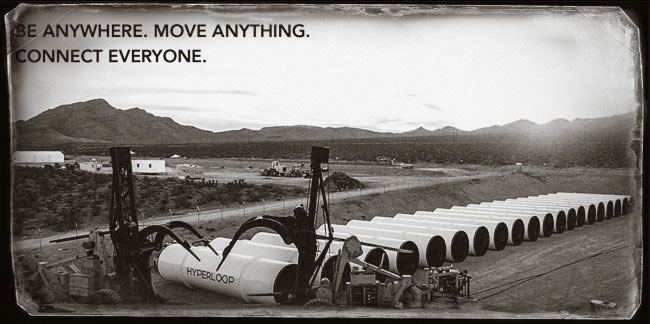
Hyperloop One

Elon Musk is one of the most notable inventors and trailblazers of our time. Musk’s endeavor, Hyperloop could reshape our idea of transportation. Hyperloop One is a proposed mode of passenger and freight transportation that would propel a pod-like vehicle through a near-vacuum tube at more than airline speed. When Musk was disappointed with California’s “high speed” transportation proposal and approval, he found the Hyperloop to be the best alternative. What if the way we travel looked differently? So differently that the alternative does not even exist, yet. Elon Musk looks beyond the status quo to new possibilities with Hyperloop. From a young age, we have watched media with futuristic travel. Think of Star Wars and cartoons like The Jetson’s– fast, efficient, and convenient transportation that made us think, ‘one day.’ America has long held a futuristic idea towards transportation, but as a country, have not made significant efforts towards these advancements. What if we no longer took airplanes, but hopped on Hyperloop to travel long distances? The saying “time is money” takes on a new meaning when Hyperloop is aiming to take travelers from Los Angeles to San Francisco in 35 minutes at 700 mph.

Hyperloop technology seems promising given that fact that it will cut travel costs and time to various destinations. It will also bring the world that much closer together and that much more accessible for everyone. Our current model of transportation in the United States is not sustainable for the environment. The U.S. lacks structures for longer transportation that is fast, efficient, and most importantly, sustainable.

Hyperloop is a good idea theoretically, but where is it practically in 2017? In 2013, Musk shared his technical thoughts on how Hyperloop could work, and encouraged others to give it a go. This is one example of how true inventors like Musk lead the 21st century. A handful of companies formed to make it happen, but Musk couldn’t stay away for long. In 2015, through SpaceX (Musk’s company that designs, manufactures and launches advanced rockets and spacecraft), Musk launched a global competition asking mainly student teams to give it a whirl. The order was to build a practical, safe, scalable, pod—the capsule that will accommodate passengers or cargo through the tube for their hyper journey. The designs judged for safety, innovation, and construction, but most really covet the prize for highest speed reached (with pods safely decelerating, too). “What this was intended to do is encourage innovation in transportation technology,” Musk said on race day. “To get people to do things in a way that isn’t just a repeat of the past.”

In January 30, 2016, the first SpaceX Hyperloop design competition took place. More than 100 designs were submitted, and 27 teams won the chance to test their designs on the SpaceX Hyperloop test track in June 2016. Students from the Massachusetts Institute of Technology (MIT) won the competition. The power of the prototype was impressive, but it lacked space for passenger or even cargo. Future competitions allowed for further advancements.

In January 2017, the long-running SpaceX Hyperloop competition wrapped up with “Competition Weekend I,” in which completed pods raced on the test track. A team from Delft University in the Netherlands took the top prize… “We had our amazing compressor—that thing does its job!” said team lead Mariana Avezum, through happy tears, explaining how her team won. She clasped the award, a slice-through view of an Hyperloop tube in a Perspex box, to her chest. The winning pod reached 60 mph. A long way off from the proposed 700mph alpha prototype.

The next phase is Competition Weekend II, taking place in summer 2017. Teams will come back to the SpaceX test track, with some solid experience under their belts, and some solid refinements to their designs, hopefully ready to set some speed records, and continue their, and Elon Musk’s vision to change the transportation world through inventions. If Musk does not personally spearhead the creation of Hyperloop, he is incentivizing future generation leaders in technology to make advancements and empowering them to think ‘outside of the box’. With each SpaceX competition, an advancement is made. Those following this development are waiting in anticipation for what speed competitors will reach in the summer 2017 competition.

With students and teams working to make Hyperloop a reality, will it debut in the United States, or will a different country put it into action first? Previous Secretary of Transportation Anthony Fox said, “Getting the service is different than generating the ideas and generating the intellectual capital,” We in the U.S., one of our greatest virtues and one of the biggest challenges for us, is that when new transportation technology is introduced, something like Hyperloop, [they] say ‘We want to be first.’ A lot of the time, we say, ‘We want to be safest.’ And I think that’s a good thing for us.” On January 31, 2017 Elaine Cho was made the new Secretary of Transportation. Chao, the wife of Senate Majority Leader Mitch McConnell, will be taking over the Department of Transportation at a crucial time for companies in the auto and tech industries. With the recently changing political landscape this could be an opportunistic time for the auto and tech industry.

At least two other ventures are working on their version of Hyperloop. Hyperloop One and Hyperloop Transportation Technologies are in the race to make this new technology work. Hyperloop-One’s website states, “Hyperloop is a new way to move people and things at airline speeds for the price of a bus ticket. It’s on-demand, energy-efficient and safe. Think: broadband for transportation.” Hyperloop Transportation Technologies website says, “Most current mass transport is outdated, overburdened and costly to maintain. Too many cities are plagued by traffic congestion and poor air quality. The need for greener, more efficient transportation has never been greater. There’s a better way of getting from A to B.” Both these companies along with the SpaceX are working to make this technology a reality.

Check out the full story of Tesla if you want to read more about Elon Musk on the Emerald City Journal.

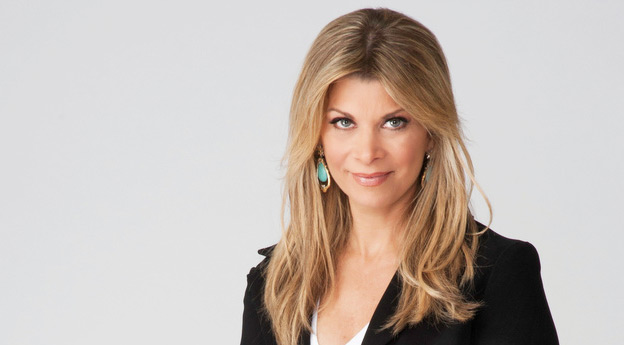
Dr. Robi Ludwig Featured Interview

Dr Robi Ludwig Interview Emerald City Journal

Dr. Robi Ludwig, a New York resident, is a nationally known psychotherapist, author and award winning reporter. She has been appearing on broadcast media since 1997, and is sought after for her psychological insights on a wide range of topics. She is currently a relationship contributor for Investigation Discovery Network’s Scorned, which presents reenactment and analysis of marital homicide stories. She also hosted two seasons of TLC’s reality show, “One Week to Save Your Marriage” as well as GSN’s reality game show, “Without Prejudice?“.

Where did you go to school?

I received my doctorate in psychology (Psy.D) from California Southern University; got my post-masters certificate in advanced clinical work from Hunter College, received my masters degree in social work from the University of Pennsylvania and got my bachelor’s degree in mass communications from Cedar Crest College.

What motivated you to get into this field?

I knew from a very early age that I wanted to be a therapist. I believe it was while I was walking home from elementary school my chosen profession to become a therapist became fully crystallized. I always loved delving into the intricacies of interpersonal dynamics, and analyzing people and situations. Any psychological subject captured my interest and attention. It wasn’t until I became a teen, around the age of 14, that I realized I wanted to include television into this mix. My uncle is a prominent local New York City TV weatherman. He made the TV business look so glamorous and fun. When I first saw Dr. Joyce Brothers on a talk show combine psychology and television, I realized this was something I had to pursue. It was somewhat of an “aha” moment for me. I’m not sure when I knew I wanted to be an author, but this probably happened when I was in high school. It was very clear to me from an early age what my professional path would be. I was fortunate to discover what I felt passionate about when I was very young.

Can you share one of your more memorable experiences during your career or on TV?

The most powerful TV memory I have is definitely when I got my first TV reporting job at WETM, channel 18 in Elmira, New York. It was actually a job interview I almost didn’t go to. I knew that I wasn’t going to take the job I was interviewing for. I was going to interview for a job to be a full time morning anchor. The job would require me to relocate and move upstate, which I was not prepared to do. I took a six hour bus ride all the way up to Elmira from New York City, until I found my way to the studio. The news director at the time, David Schifter, told me in detail about the anchor job. I told him I didn’t think this job was exactly right for me, and then pitched my job idea to him, to be the station’s psychology reporter. He hired me on the spot, and I was on the air that evening analyzing Timothy McVeigh. This news director is one of my dearest friends, to this day. He was the one who gave me my first real start in the TV news business. And the rest, as they say, is history.

How do you find inspiration Dr. Robi Ludwig?

I really find my inspiration everywhere. From life. I’m inspired by my field, my desire to learn and know more, by the patients I work with, and by my friends and family. I love what I do and feel passionate about my work. I suppose it’s this passion which fuels my inspiration.

What are some project/s you’re currently working on?

I’m very excited about finishing my latest book, published by Harper One: Your Best Age is Now: Embrace an Ageless Mindset, Reenergize Your Dreams, and Live a Soul-Satisfying Life, which comes out in April. I compiled all of the latest research, combined with the research from my practice, to dispel some of the unsettling myths currently out there about midlife. I’m also excited to bring my jewelry line, Vise Mari, to Star Shop, a new shopping APP which makes shopping fun and easy, on your phone.

Where is your office in New York?
275 7th Ave
New York, NY 10021
My Yelp

You can read more about Dr. Robi LinkedIn or her official Instagram

Seattle Brewery Guide

Seattle Brewery Guide

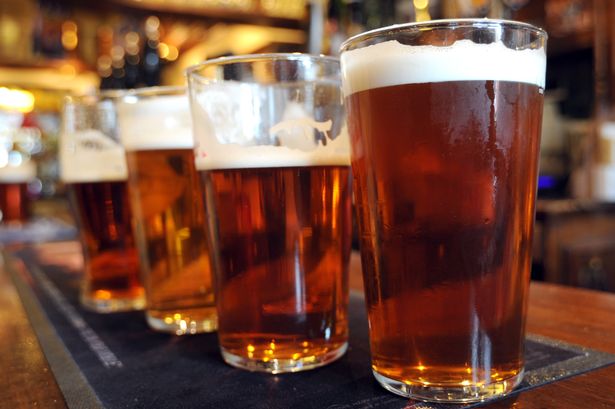
Seattle is filled with unique neighborhoods and breweries.  I frequently hear people ask, “What is the best brewery in Seattle?”  To answer that question, I scoured every neighborhood in search of great beer, visiting over 30 breweries in Seattle and the surrounding metro area.  I hope this guide helps you discover Seattle’s great breweries and the tasty local brews they produce. Cheers!

Ballard
Hale’s Ales Brewery & Pub Beer + food
Hale’s, founded in 1983 in an area between Fremont and Ballard, was the first craft brewery in the region to introduce seasonal, cask conditioned, and nitrogen conditioned ales.  Cool building and pub, but perhaps past their prime as I find most of their beers to be average.  Bright spots include their world-class Kölsch and tasty Cream Stout. 4301 Leary Way NW, Seattle

Hilliard’s Beer Beer only (+ food trucks Saturdays)
Hilliard’s Beer is a new brewery in Ballard that opened in October 2011.  This is one of the cooler brewery taprooms I have visited and is home to perhaps the most comfortable bar stool in Seattle.  Hilliard’s is filled with a nice, 5-seat bar, several smaller tables, concrete couches and 2 enormous wood spool tables that each seat 10.  Hilliard’s is currently canning 2 beers, Amber and Saison, in 16 oz. tallboys.  The Amber is very good, although extremely hoppy for the style.  The Saison is a great-looking and tasting brew that is spot-on for the style. They have some additional beers available on tap: Regimental Scottish Blonde, Cast Iron Stout, and Hils Pils.  Visit on a Saturday and you can get some grub from food trucks such as Skillet, Where Ya At Matt and Snout & Co. 1550 NW 49th Street, Seattle

Maritime Pacific Brewing Company Beer + food
Ballard’s Maritime Pacific, founded in 1990, opened the adjoining Jolly Roger Taproom in 1997. Cool taproom with plenty of bar seating.  In the hoppy Pacific NW, Maritime stands out with solid maltier beers including its Flagship Red Alt and Old Seattle Lager.  Make sure to try the Jolly Roger Christmas Ale, if you visit during the winter months, or one of the 3 cask ales on tap. 1111 N.W. Ballard Way, Seattle

Capitol Hill
Elysian Brewing Company Beer + food
If you feel like tasty food and beer in a great brewpub atmosphere, look no further than Elysian. Founded in 1995, The Elysian now boasts 3 locations: the original Capitol Hill brewery, TangleTown near Green Lake, and Elysian Fields, a gigantic venue (the oval bar alone seats 50) near the stadiums. Elysian Fields is far superior to Pyramid for pre or post-game libations. Their year-round beer lineup has no clear superstar, but all are very solid. Elysian is also known for its world-class pumpkin beers and hosts the Great Pumpkin Beer Festival annually in October. 1221 E Pike St, Seattle

Downtown Seattle
Elysian Fields Beer + food
See full listing under Capitol Hill.

Pike Pub and Brewery Beer + food
The Pike Pub and Brewery, founded in 1989, is located near the namesake Pike Place Public Market.  Founder Charles Finkel has created a microbrewery museum on the walls, and the cool, multi-leveled pub is worth visiting just to see the venue.  Beers are solid, but nothing spectacular.  Malt lovers must try the Kilt Lifter or Tandem.  If you like drier, bitter beers, most of their other lineup will surely satisfy. 1415 First Avenue, Seattle

Pyramid Brewery & Alehouse Beer + food
Located right next to Safeco and the Century Link, Pyramid is the most convenient option for a pre- or post-game meal and libations.  Their flagship Hefeweizen, an American wheat ale (no banana or clove flavors here), is refreshing but nothing special.  Perhaps more exciting is their new Ignition Series lineup: Super Snow Cap and Discord Dark IPA are nice options for those looking for something more complex.  Pyramid has also started brewing again at this downtown Seattle location, which should spice up the lineup. 1201 First Avenue South, Seattle

Fremont
Fremont Brewing Beer only
It is hard to believe Fremont just began brewing in 2009.  Located in the self-proclaimed “Center of the Universe”, Seattle’s Fremont neighborhood, Fremont Brewing has skyrocketed to the top of the Seattle craft beer scene.  Their Urban Beer Garden consists of a huge picnic table built on beer kegs and cool old school couches with a view of their shiny fermenters.  It’s a great community atmosphere conducive to striking up a conversation with other thirsty revelers, many of whom are drinking a pint and getting a growler to go.  But what really makes the brewery is the beer:  The Interurban IPA is one of the top examples of the style in Seattle, and the Universal Pale and Summer (Solstice) Ale are both crisp, refreshing and very tasty.  Fremont has also mastered darker brews, including the delicious Kentucky Dark Star Imperial Oatmeal Stout and Abominable Winter Ale.  And Fremont can really kick things up at beer festivals with the likes of Kentucky Dark Star Bourbon Barrel-Aged Imperial Oatmeal Stout and Bourbon Abominable (Bbomb).  You can now find Bourbon Abominable deliciousness in a bottle each winter.   Fremont can do no wrong. 3409 Woodland Park Avenue North, Seattle

Georgetown
Georgetown Brewing Company Samples + Growlers
Georgetown, which moved to a new location in 2010, blends into its namesake industrial neighborhood with a grand entrance made of rusted steel I-beams.  While there is no food or pints here, they will gladly offer you tasters (they’re free!) to help with your growler or keg purchase.  Their sweet retail taproom, which includes a massive bar counter and a glimpse of the brewery, merits a visit. But what really makes Georgetown special is they pump out huge volumes of stellar craft beer kegs to be enjoyed at your local watering hole.  The ubiquitous Manny’s Pale Ale is on tap virtually everywhere in Seattle, but keep an eye out for the equally delicious Lucille IPA and Georgetown Porter.  Donkey Deux Belgian Dubbel and Bob’s Brown Ale are two must-try seasonals. 5200 Denver Ave S., Seattle

Greenwood / Green Lake
Baron Brewing & Pillagers Pub Food + beer
Baron, founded in 2003, specializes in German-style beers, so you might guess their taproom location would feel like a German beer hall or beer garden.  You would be wrong.  Baron’s taproom, Pillagers Pub in Greenwood, features a pirate-themed atmosphere, perhaps to match sister brewery Three Skulls Ales.  Both Baron and Three Skulls Ales are on tap at Pillagers Pub.  Look for Baron’s bacon beer on tap, which tastes like a bacon cheeseburger in a glass.  The crowd at Pillagers is usually sparse, and for good reason: Naked City is across the street. 8551 Greenwood Ave N, Seattle

Elysian TangleTown Beer + food
See full listing under Capitol Hill.

Naked City Brewery & Taphouse Beer + food
Established in 2008 in the Greenwood neighborhood of Seattle, Naked City began as a tap house and then added their own beers to the mix in 2009.  The end result is 24 incredible taps including Naked City beers and rotating Washington and regional craft beers.  This is a unique place that manages to attract and impress beer geeks and families alike. 8564 Greenwood Ave N., Seattle

SoDo
Epic Ales Beer + food
Founded in 2009, Epic’s Cody Morris brews the most unique beers in Seattle.  It’s possible you will either love or hate his beers, brewed with ingredients such as shitake mushrooms, peppercorns, and epazote.  A visit to the tiny tasting room in SoDo, which currently has 3 bar stools, provides an opportunity to sample 3 rotating beers and chat with the personable Morris.  The space was also recently expanding to house the Gastropod, a beer and food pairing collaboration with chef Travis Kukull.  Gastropod serves up 2 small plates on Saturdays paired with 2 Epic beers (currently on Saturdays 10-2). 3201 1st Ave S., Seattle

Emerald City Beer Company Beer only
Emerald City, located in the Old Rainier Brewery building, was founded in August 2010 by two UW alums. The Beer Lab, which features a nice long wood bar, leather couch and tables, has 6 beers on tap with a focus on American Lagers.  Flagship Dottie Seattle Lager, made from barley and hops grown right here in Washington State, is a solid, malty lager.  Whiskey Lager, Dottie aged for 2 months in Dry Fly whiskey barrels, has a cult following, and for good reason. Regular lineup also includes Betty Black Lager and Ivana Pale Lager (IPL).  The brewery takes a unique marketing approach by using a different pin-up girl on each of their beers, which are hand-drawn by an artist in Baltimore.  Definitely worth a stop on your SoDo brewery tour.  3100 Airport Way S., Seattle

Schooner EXACT Beer only
Founded in 2007, Schooner EXACT has quickly grown from nanobrewery to it’s much larger current operation in SoDo.  The family-friendly tasting room has plenty of seating at the bar, along with a nice outdoor seating area.  Their regular lineup, all very solid, is highlighted by 3-Grid IPA, an excellent choice for Hopheads seeking their citrus hop fix, and King Street Brown, bigger and bolder than your average brown ale.  I anticipate big things from these guys in the future, such as their new barrel-aged sour program.  I’ve had some sour samples straight from the barrel and they are tasting fantastic. 3901 1st Ave South, Seattle

Two Beers Brewing Co. Beer only
SoDo’s Two Beers has the philosophy that life’s a little more honest after two beers.  They have grown considerably and recently doubled the size of their production brewery and tasting room. The tasting room is especially good to hit during nice weather, when tables line the sunny loading dock.  I’m going to be honest here:  My palate finds all of their beers very average.  Cool website though.  Not a destination, but worth a stop if you’re in the area. 4700 Ohio Ave S., Seattle

South Park
Odin Brewing Company Appointment only
Odin Brewing Company’s tagline is “The Most Adventurous Brewery in America”.  They are certainly well on their way, having avoided the typical Pale Ale/IPA/Amber/Stout lineup of a Pac NW brewery.  They even released a “bacon beer”, Smoky Bacon Ale, which made some waves in 2010.  Established in 2009, Odin is a lean operation currently focused on pumping out kegs for distribution to bars and restaurants throughout Washington.  They will still fill growlers, but the tasting room is technically open by appointment only.  Their core lineup of Freya’s Gold Kolsch, Odin’s Gift, an ale brewed with juniper berries, and Odin’s Pearl, a Belgian Witbier, are all quite tasty.  I was blown away by their Thor’s Equinox, a Belgian Strong Dark Ale, which was arguably best in show at the Seattle Craft Beer + Food event.  It was complex and a very impressive Belgian-style from a Washington brewery.  Looking forward to more gems from Dan Lee and the Odin team. 9130 15th Pl. S. Suite F, Seattle

University District
Big Time Brewery & Alehouse Beer + food
This University District brewpub has been crafting fine beer and serving tasty food since 1988.  Prime Time Pale Ale (2011 bronze medal winner at GABF) is their best year-round beer, but always some interesting specialty brews on tap.  Do not miss Old Sol Wheatwine in the summertime or Old Wooly Barleywine, released each winter on December 1. 4133 University Way NE, Seattle

West Seattle
Big Al Brewery Beer only
Big Al is located in White Center, in the south end of Seattle just north of Burien.  Beers can be enjoyed in the small tap room or the concrete patio out front, which regularly features bands on stage.  Or head upstairs to play darts and hang out on comfy couches.  Year-round lineup is solid, but middle of the road.  However, Big Al puts out some very interesting seasonal and one-off beers.  LÖWMAN BRÄU, which was on tap throughout West Seattle in summer 2011, was a very tasty and refreshing Kölsch.  I have also really enjoyed Hop Villain Black IPA, Sourlicious, and Ume Goma Supai (Flanders Red).  In the winter, they make a mean barleywine, Ol’ No. 1. 9832 14th Ave SW, Seattle

Elliott Bay Brewing Co. Beer + food
Elliott Bay has locations in West Seattle (since 1997) and Burien (since 2007) and opened a new location in Lake City in 2012. Great atmosphere to chill out at the bar or a dark wood booth.  Fantastic food, especially the burgers, outshines the beer, but still a solid list of taps.  Standouts include B-Town Brown, Demolition Ale and their Coffee Stout on nitro.  Family-friendly. 4720 California Ave SW, Seattle (plus 2 additional locations)

The Eastside
Black Raven Brewing Co. Beer only
The Eastside’s Black Raven, brewing since 2009, has been the rockstar of Washington breweries the last couple years.  Located 15 miles East of Seattle in Redmond, Black Raven has a slightly bizarre location in a suburban office park.  But don’t judge, all is good inside.  Thirsty Redmond office workers and regulars munch on complimentary peanuts and pretzels while relaxing at sturdy wood tables.  Black Raven brews some of the best and most interesting beers in Washington.  Highlights of their year-round lineup include Trickster IPA and Second Sight Strong Scotch Ale.  Their Wisdom Seeker Imperial IPA, occasionally on tap, is phenomenal.  Black Raven also excels at brewing up special treats for their taproom and festivals, so don’t hesitate to try any casks or seasonal taps. 14679 NE 95th ST, Redmond

Issaquah Brewhouse Beer + food
Located in historic downtown Issaquah, the Issaquah Brewhouse opened in 1994 and was acquired by Rogue Ales of Newport, OR in 2000.  The 36 taps feature Issaquah, Rogue, and Guest beers, and you will have no trouble finding something you like.  If you enjoy sweeter Belgians, make sure to try the Menage A Frog (Belgian Tripel) or White Frog (Belgian Wit). Rogue’s Hazelnut Brown Nectar and Shakespeare Stout are also extremely good. 35 W. Sunset Way, Issaquah

Mac & Jack’s Brewing Company Samples + Growlers
Redmond’s Mac & Jack’s, brewing since 1993, is purely a draft beer operation, with their retail store offering up kegs, growlers and merchandise.  Not a destination, but certainly a fine place to get your growler filled. When I first moved to Seattle years ago, I considered Mac & Jack’s African Amber a top example of Seattle craft beer.  My palate has since moved on to other things, but Mac & Jack’s remains a draft staple in restaurants and bars throughout Seattle.  I’ve had mixed results with some of their other beers. 17825 NE 65th St., Redmond

Redhook Brewery and Forecasters Pub Beer + food
Redhook, which celebrated its 33th birthday in 2014, moved to Woodinville in 1994, having outgrown previous locations in Ballard and Fremont.  Beer geeks may turn up their nose at Craft Brewers Alliance-owned Redhook, but they still offer the best deal in town: daily tours for $1; and that includes 5 tasters!  They also offer casino-night private events in the upstairs banquet rooms, which make for kickass corporate outings.   The Forecasters Pub, a large, lodge-like setting, is perfect for having a pint.  The beers may not be inspiring, but all are solid and have a wide appeal.  Best beers are their flagship ESB and Long Hammer IPA, a 44 IBU IPA on training-wheels. 14300 NE 145th Street, Woodinville

Snoqualmie Brewery & Taproom Beer + food
Heading East for skiing, hiking or wine country?  Or just looking for some good beer?  The new and improved Snoqualmie Brewery & Taproom is worth a visit.  The 2011 expansion added a mezzanine level and doubled the seating capacity.  The Steam Train Porter is best in class.  Black Frog Stout (on nitro) and Wildcat IPA also deserve your attention. 8032 Falls Ave, Snoqualmie

Kitsap Peninsula
Silver City Brewery Beer + food
Located on the Kitsap Peninsula in Silverdale, Silver City Brewery was established as a brewpub in 1996.  You can either drive around the water via Tacoma or take your car on the Bainbridge ferry and continue driving to Silverdale (which conveniently takes you through the brewery mecca of Poulsbo on your way).  Both ways take about an hour and a quarter from Seattle.  Located next to a mall, Silver City Flagship Restaurant is more of a gathering place for elderly folks and families than beer geek central.  The food is very good, so the old people may be onto something.  They do some fantastic big malty beers such as Copper Mountain Bock, Ridgetop Red and the must-have Fat Scotch Ale.  Silver City really brings their A-game to festivals with gems such as Fat Woody Bourbon Oak Aged Scotch Ale, Whoop Pass Double IPA, Le Fat and Punk Rauchen.  You can now taste beers and avoid the old people by heading to the newly-opened taproom in Bremerton. 2799 NW Myhre Road, Silverdale

Sound Brewery Beer only
Take your car on the 30-minute ferry to Bainbridge and continue another 20 minutes by car to Sound Brewery, one of 4 breweries that have sprung up in Poulsbo during 2011.  The taproom area includes 3 round cherry-wood tables and some additional seating at a long bar on the side.  When I visited on a Tuesday, the tasting room was a bit of a sideshow for the workers, who were busy with their brewing duties, but the service was fine.  I love what Sound is doing because they are making completely different beers than most other Washington breweries.  Sound sets itself apart by making some big, 9-10% Belgian-inspired beers.  Be on the lookout for stellar Sound brews on tap such as Monk’s Indiscretion, Dubbel Entendre and Humulo Nimbus.  I’m fully expecting these guys to skyrocket to the top of the local beer scene very soon, if they’re not already there. 650 NW Bovela Ln, Suite #3, Poulsbo

North Seattle
American Brewing Co. Beer only
American, located 17 miles north of Seattle in Edmonds, just opened in 2011.  I wasn’t sure what I was getting into walking into their unassuming entrance in the rear of the building, but the inside was a pleasant surprise with a nice big L-shaped bar with sports on 2 large flat screens.  There is no kitchen, but snacks are available for purchase or you can order in a Garlic Jim’s pizza.  Breakaway IPA, Caboose Oatmeal Stout and Ed’s Red are all very solid beers. With longtime brewer Skip Madsen at the helm, I’m looking forward to trying more beer from these guys. 180 West Dayton Street, Edmonds

Boundary Bay Brewery & Bistro Beer + food
Located 90-miles north of Seattle in Bellingham, Boundary Bay is well outside the Seattle metro, but is worth a visit.  Boundary Bay, in business since 1995, operates a 17 barrel brewery in a restored historic 1922 warehouse in downtown Bellingham, across from the Saturday Farmers Market.  Multiple rooms are filled with mismatched wood tables and chairs and there is often some live music being playing.  Great service and extremely good food.  Their IPA and Imperial IPA are top-notch, but you also can’t miss with their Scotch Ale, Old Bounder Barley Wine or Dry Stout. 1107 Railroad Avenue, Bellingham

Diamond Knot Brewery & Alehouse Beer + food
Diamond Knot’s Flagship location, located near the waterfront in Mukilteo, has a bit of a scary external appearance, but don’t be afraid.  The nautical-themed interior has high ceilings, plenty of character and is filled with over a dozen red barstools, several tables and peanut shells on the floor.  Sure, there are several beer styles on tap, but you must go for the IPA and the kicked-up Industrial IPA, their specialties. 621A Front Street, Mukilteo (plus 3 additional locations I know of)

Foggy Noggin Brewing Beer only (+ an occasional food truck)
Jim Jamison has been serving up Foggy Noggin beers out of his garage in Bothell since 2010, and now has a loyal following of Fog Noggers who love their Fn beer.  The nanobrewery is in a residential neighborhood, but it’s a spacious lot and there are plenty of tables and chairs in the driveway to relax.  Foggy Noggin’s cool because, in addition to being an incredibly small operation, they are doing something different than every other brewery in the Pac NW.  Fn specializes in English style ales that are produced on a very small ½ barrel system.  Their flagship beer, Bit O’Beaver, at 3.4% ABV is the ultimate session beer.  You may recall Bit O’Beaver making an impressive run to the WA Beer March Madness Final Four in 2012.  You’ll always find Bit O’Beaver on tap here, along with Christmas Duck, a nice porter, and rotating seasonals such as Diablo del Sol and Kastrated Dawg.  Be on the lookout for the delicious Anniversary English Old Ale, released annually in March. 22329 53rd Ave SE, Bothell

Scuttlebutt Brewing Company Beer + food
Scuttlebutt’s new location, opened near the Everett marina in April 2011, is bright and modern with plenty of booths and a large outdoor seating area.  Not sure why, but taster tray was pulled off menu, although bartenders will give you a free 2oz taster.  If you like sweeter beers, you will be pleased with their nice Tripel 7, Belgian Winter and Porter. 1205 Craftsman Way, Everett

South
Airways Brewing Company Food + beer
The next time your wife sends you to IKEA, make a 5 minute detour South to Airways Brewing.  Airways was founded in Kent in 2010 and recently added a second location, Airways Brewing Beer & Bistro in downtown Kent.  Their standard lineup includes T-Tail Blonde Ale, Jet City ESB, First Class IPA, Starliner Stout, and Sky Hag Imperial IPA.  Of the 3 I’ve tried, the ESB and First Class are very good and the Sky Hag is phenomenal, perhaps one of the better Imperial IPAs in the state.  The newer Beer & Bistro also boasts 8-10 interesting guest taps from other Washington breweries.  I would consider their standard lineup a bit too standard for a new brewery, but looking forward to trying some special beers from these guys in the future. 6644 S 196th St., Kent

Fish Brewing Company Beer + food
Located 60 miles south of Seattle in Olympia, Fish is a lively brewpub filled with plenty of locals.  The “Fishbowl” is a bit dated, but comfortable.  Standard lineup can be a bit light on flavor, but seasonals such as Mudshark Porter, Starfish Imperial Red, Winterfish and 10 Squared Barleywine are pretty good.  Overall, an average brewpub. 515 Jefferson Street SE, Olympia

Harmon Brewing Co. Beer + food
Located next to the University of Washington Tacoma campus, Harmon’s wait staff and clientele are on the younger side.  Due to the university location, parking is hit and miss.  The low-lit brewpub is filled with exposed brick, numerous wood tables and a long 15-seat bar.  Great atmosphere and a nice place to have  a beer.  The Puget Sound Porter is roasty, chocolatey and very good.  The Brown’s Point ESB and Point Defiance IPA are also quite solid. 1938 Pacific Avenue, Tacoma

Trade Route Brewing Company
I first became acquainted with Trade Route at the Washington Brewers Festival in 2008 when they were known as Laughing Buddha Brewery.  They changed their name in response to a trademark dispute and also moved the brewery from Seattle to Pacific, WA in 2009.  The taproom is located off of 167 south of Auburn in an industrial area filled with parked semi trucks.  It’s pretty nice inside, with a large L-shaped bar and a few flat screen TV’s filled with sports.  Their original beers were Asian-inspired, but they seem to be all over the board now, with a lineup that includes an IPA and a rauchbier.  The Ginger Pale Ale, one of their original flagship beers, is their best and goes perfectly with spicy pad thai.  Their Mango Weizen is a perfect in summer if you like fruit beers.  The rest of their lineup is pretty average, including Hoppy Bitch IPA, which doesn’t quite live up to the great name. 1091 Valentine Ave, Pacific

Vote no on the $930 Million dollar Levy in November

Seattle Levy Vote No

LIONS (transportation levy) TIGERS (Tunnel flooperoo), & BEARS (Seawall) – OH MY
Your tax dollars are heading right for the RABBIT HOLE(Taxpayer sinkhole)

The very reason to vote NO for the transportation levy is the city/county/state etc have no idea what they are going to spend it on. That is just to large an amount to ask for with all the problems they are having with the money they have been given to build a tunnel and a seawall. When they passed the car tab fee raise they admitted afterwards they didn’t know whether to buy new buses or shorten time between trips etc. In other words we gave a huge chunk to “kids to go to toys R us” and decide what THEY WANT to spend it on. Not fair to taxpayers to pay for ten years on a $930 million dollar levy and we won’t even know as they spend it where its going. They are still doling out favors from the Bridging the Gap we have been paying on for years. Right in my neighborhood they just handed out $1.3 million to start a festival street in Georgetown. So they have had plenty of money and don’t know what to do with it. Make them split the $930 million up into different levy’s. How much for streets, how much for bridges, etc. Their record of the Tunnel and Seawall should be enough to make you know they can’t handle taxpayers money wisely if they are not held accountable for anything. The City Council and the Mayor have lied to us and to each other and that should weigh in too.

A completely unrelated story brought up my reason to write this article. The headline said, “School districts attorney to retire”. He wants to spend more time with his family. In the fine print it tells how he has been on administrative leave since February because of undisclosed reasons and was on leave when he gave notice he was retiring. His name is Ron English. It said investigation is closed. I.e. he has been on paid leave but when time to face the music he retired. He will have a clean record and can just more on to another job, and all is forgotten. Same thing with Lois Lerner at the IRS. When you are caught red handed just retire. The reason this jogged my memory is about the ex Governor Gregoire when she was pushing the Hi Way 99 Tunnel. The public didn’t want it. they wanted a surface street, but the governor raved and ranted about how she had studied the contract and the taxpayers never have to pay for any cost over runs, or any problems along the way. She stressed over and over that is was an iron clad deal. Almost like cross my heart and hope to die promise lol but she knew it was a lie but she would be long gone and not accountable or have to do any explaining at all.

Now on to the tunnel. It was forced on the taxpayers. As of June the state has paid $1.04 billion (with a B) of its $1.35 billion tunnel contract which included the price of the machine. Berth’s price new was $80 million. For all of that money what do we have? Bertha sitting in her grave a/k/a knows as the tunnel. This broken down machine has traveled 1,083 feet of its 9,270 foot path. Insurer’s are now saying Bertha’s design was inadequate from the start. They are refusing to pay $143 million to repair an $80 million dollar machine. Its like spending $20,000 to fix a $10,000 new car. We would go for the lemon law and get rid of the lemon for sure.

Oh well, not to worry. If Voters are stupid enough to pass the $930 million levy in Nov. the Mayor can just piddle it away trying to get the work at the tunnel going again. Lawmakers approved $2 Billion tunnel project to replace the Alaskan Way Viaduct that they said would fall down almost immediately but that was several years ago and the tunnel has made it even worse and the also forgot to give much thought to buses. Now they realize with the money almost gone the tunnel design will actually hinder buses. When they try to exit to downtown Seattle they will have to weave across two lanes of general traffic. The Mayor will have some experts look at it(we pay them high fees). The viaduct is sinking, streets are sinking, water pipes are bursting. Those are just the things we have found about accidentally with some good reporters work. The stuff we are not hearing about is far worse I am sure. This is the only chance to get Bertha out of the tunnel(if that is even possible now), because if she gets moving she will be under historic buildings and no place to build another repair pit if she breaks down again. This has been a total sinkhole for tax dollars. No one person is accountable. They will start to sue each other and it will cost millions in legal fees, fines and penalties. Don’t be fooled as to who pays for all of that, WE THE TAXPAYERS. No lawmaker, worker or expert will have to pay a dime. If they do find someone they can sort of blame he/she will retire to spend more time with their family and get a pension or bonus for the hard work they have given.

Now to the Seawall. Seattle Times headlines were, “Mayor said the $71 million in cost overruns can be covered with unallocated source of funds”. Where were those funds sitting when he asked for the amount for the seawall?. He asked the taxpayers for $71 million more than he needed. We have been paying higher property tax for him to stuff under his mattress or put in his piggy bank. NOW IS THE TIME FOR TAXPAYERS TO ASK HOW MANY MORE MILLIONS ARE SITTING IN UNALLOCATED FUNDS before we pass any more levy’s. Of course Murrey calls this unfortunate and is going to hire experts to look into what his other experts must have missed. Are you getting the pattern here? Clowns running the circus, monkeys running the zoo?

Voters approved a $290 million bond measure. As of today the cost is $410 million. They have not even started on half of the seawalls length. Mayor Murray knew of this back in June but did not bother to tell the City Council or public.

Do not pass the levy no matter how much you are for transportation or tunnels or seawalls until someone (God only knows who) gives us a clue as to where our levy money is going. That is way too much to let clowns like we have just blow it away on cost overruns, a tunnel that will probably never be finished, a sea wall that may never be finished. Make them break it down where the money they want is going to be spent. make it in millions not billions. There is no way they have a real plan for that much money.
LLL

Lilly Marek: Great Depression and the Barter System

President Franklin D Roosevelt great depression

Once upon time a long time ago a little girl was born in the little town of Victor Montana. Population 250 (some people said the census bureau that came through must have included the dogs too, lol).  This is not meant to be my life’s story, but since I was born in 1923 right before what they called the “great depression” and grew up during the depression I thought you might enjoy how people got by with absolutely no money, no refrigeration and still managed to live.  Remember this is through the eyes of a little girl. It looked entirely different to my parents who had to wonder how they were going to feed 12 kids (I had 11 brothers and sisters).  it is not meant to be the story of my life at all, just how I saw it. My first memory is wanting to go to school. I was all alone with my parents since I was the baby. I started school in 1928 and before I was 5 years old. Here goes. We were the Marek family.

We had a huge ranch. We were self supporting in raising all the food for the humans and for the animals. Had large hay fields,  put up hay for all the animals. Field of oats, field of wheat. My father took a wagon load of oats to a mill to be made into oatmeal for us to eat. He had a huge grainery to put oats in bins to be fed to the animals. He took several loads of grain to the mill to be made into flour and stored the rest for chicken feet etc. We had a huge orchard and a huge garden. The cash crop was from the dairy cattle. All of us had to milk cows. We had what was called a separator. You poured the milk into this huge container on top, turned a crank (by hand of course) and it separated the cream from the skim milk. Mama kept back what cream or whole milk we needed for the day for making cottage cheese or cream for butter etc. The cream can was set in a little ditch that ran through the yard right from the mountains. It was ice cold. The Creamery man came daily to pick up the cream. I have no idea what or how he paid but that was the only money coming in except for steers my father sold in the fall. My mother canned everything from the garden and we had what was called a cellar. You filled it with apples, carrots, squash and other things to last all winter. We also had what was called the ice house. In the winter you sawed large squares of ice from a shallow pond and filled this building with ice. When we butchered or shot a deer etc it was hung in the ice house. Of course it was not cold enough to keep meat more than a few days so this is how that was handled. I didn’t know why so may neighbors came to our house on butchering days. One would take a side, one a hind quarter for example. No money exchanged hands but when that neighbor butchered my dad would get a hind quarter from the guy that got one from him etc. They all staggered the butchering so we had fresh meat almost all the time. Of course we had chicken for fresh meat and lots of trout all year round. Everyone helped everyone.  The person who got meat and had no animals to butcher traded so many days work to my father. When it was haying time lots of neighbors came to work for us. No money changed hands so that took care of the fresh meat for him as well as help for us.   A man came through with a thrashing machine to separate the oats and grain from the fodder. Not sure how he got paid but the neighbors who got meat and other farm produce from us came to help too.  I think some of them got some grain for their chickens or ducks, not sure about that. It was the only way any of us could have survived. My Dad needed help, and they needed food.  We could not use up a whole steer or pig before it spoiled. I didn’t think of us as being that poor, even though we had no running water, no electricity, and no car. Actually, looking back as a grown up and understanding how people actually starved to death I was a very lucky child. I had good food, a warm place to sleep, and a goodnight kiss from both parents. I am thankful I was born then. The only car I saw was the mailman on the road once a day. If someone died or some other news he left a note in our box. We had no newspaper, no TV or radio. And we had a big school bus that picked us up and brought us home.

Other people in “town” traded their talents for what they needed. I will just include one family. Other families had different talents and service they bartered to survive. I will talk about the Olson family Johanna and Ole.  He was a chimney builder. I don’t know how they managed to live in Victor. We had tin stove pipes going out through a hole in our roof, and he built us a chimney of bricks. It sure cut down on the fire danger and we could have a hotter fire. He got credit somehow for meat, veggies and eggs. I remember my mother telling Mrs. Olson she still had a months worth of eggs coming. Not sure how many eggs that was but the Olson’s had 12 children also. As a personal note here, two of the Olson boys married two of the Marek girls.

Back then we had a lot of hungry men come through who were really REALLY hungry and tired. Now they would be called homeless, back then they were called hobo’s. They wanted a meal and a place in the barn to sleep to rest up so they could travel on looking for work. They offered to split wood, or do anything. My mother never refused them. She made them a big plate of food and always packed them a lunch when they were rested enough to move on. We never made them do anything. Mother would say a prayer for them and always said “but for the grace of God” this could be my son.

Things begin to slowly change. At school they gave us a cup of hot chocolate in the afternoon and sometimes a little box of cream of wheat we could take home. Dad complained and said where are they getting the money to pay for that? He had trouble getting enough cash to buy us kids all a tablet and pencils.

There were fewer hobo’s coming through.

We little kids could work for neighbors so we could earn a few pennies. Labor then was 50 cents or a dollar a day but mostly piece work. We got to keep the money we earned and could either save it or if we spent it but it had to be on clothes. One of the Olson boys that married my sister started what they call a truck garden. Rows and rows of onions, radishes for example. I got a job weeding rows of veggies, then when they were big enough to harvest we did what they called (bunching them) you pulled ten radishes and put a rubber band around them. We did the same with onions. He had a pick up truck then and took them to stores. That was his cash crop. Another man had a huge strawberry patch and us little kids picked his berries for so much a box. Our goal was to pick enough to earn 50 cents a day. He had cash to buy other stuff he needed.

It worked great. We kids had jobs and they made a living. One year my brother in law didn’t plow his field. He said someone from the government offered him more money not to plant that he could earn from planting. Made no sense to hard workers but it was called the Conservation Resource Program. He didn’t have to work but all the little neighbor kids lost their jobs. Didn’t seem very good to me. Not many hobo’s came anymore. On the school bus we could see men standing all along the road leaning on a shovel, doing absolutely nothing. We learned this was due to the Workers Progress Administration or WPA. This was in 1932 and 1933. It was the start of Franklin D. Roosevelt’s, New Deal. To me and lots of others it seemed like a bad deal. We talked to the men leaning on their shovels when we would wait for the school bus. They got boxes of what was called “commodities”. These boxes had coffee (we could hardly afford to buy it) big cans of beef similar to these nice cans we buy at Costco now. Little cans of deviled ham, and cans that were like spam but not called spam. In fact most cans had no labels. We would trade the men with the commodities of our fresh stuff and fresh meat for their little canned stuff which was like a candy treat to us little kids who had never had any “store bought stuff”. By 1932 most banks were closing and people lost all their savings.

The Olsons and the Mareks all could play an instrument of some kind so together they built a dance hall, called Pine Ridge.  I even got to play the piano in the band part of the time. People paid $1.00 a couple to dance on Saturday night. The band got paid whatever was taken in at the door and one night I earned $5.00. Then the truck gardener Olson started to build wooden toys because hints of war was starting and there was no metal for toys. I then got a job painting toys for him. One of the other Olson boys that married a sister of mine had the thrashing machine. So if you are ambitions and not lazy you found a way to make it.

Just when you think things can’t get any worse, they do. My Mother died. I was 13. Dad was almost blind and us girls got jobs with neighbors cooking and cleaning their houses etc and staying with our married sisters or brothers occasionally. I did manage to finish high school (only one in my family to do that). By 1940 5 million farmers were on subsidies.

Franklin D Roosevelt won the election from Hoover in 1932 and was trying to get his New Deal going. By the next election in 1936 he won his second term by the biggest landslide of any president and his New Deal was off and running. It was the start of the government intrusion into how we run our lives. This story is not about politics. You decide if it was better or worse.

Just two other things need mentioning here. Health Care, and Criminal Justice.

1.  We had no healthcare,  My mother had no pre natal care. No babies were delivered by a doctor or nurse, No babies had a doctor exam or shots of any kind. (yep we all got the mumps, measles, and whooping cough and survived. My mother had 12 babies, everyone lived, not a one had attention deficit or any health problems of any kind. No one died young, and that sure is a better record that what we have today with all the doctor visits and shots.  You form your own opinion. We had no dental care either. According to rules and regulations today I.e. don’t drink coffee (my first solid food was homemade bread soaked in coffee). Raw milk, fried food at every meal. Now eggs are supposed to be so unhealthy (I ate several a day). Everything was fried in lard. Why did all 12 kids grow up so healthy. 12 out of 12 is mighty good score. I will be 92 in three months. I live alone, take  care of my self, have none of the old age afflictions except hearing and eyesight which comes with old age no matter what you do or eat. Still eating my eggs, fried food, drinking coffee all day. Still have my long and short term memory (I think). I should be dead or sick according to the best medical advice. Took boiled eggs in a little lard bucket (lunch bucket) to school to sit in the hot class room, but no one died from that. WHY?

2.  The only crime we had was cattle rustlers occasionally. You shot to kill anyone you saw trying to round up your cattle. If a new man moved on to a ranch that had been abandoned and all of a sudden had a herd of cattle, the ranchers paid him a homcoming visit to see if his heard had THEIR BAND on them. They knew they hadn’t sold him any. Our Marek brand was Lazy Heart, Half Circle, J.  If you saw your cattle there, you had a right to shoot him. There was no sheriff to come and arrest him or you. It was completely obvious what happened. He did not get a free lawyer and a long trial and appeal. It was overwith. The best part of that system was NO REPEAT OFFENDERS.

I will end this by saying I hope you have found it interesting and you make your own opinions about life then and now. If all of a sudden our power grid is sabotaged and you have no water or food, I hope you can work together to help one another. I can’t even picture it and glad I won’t be around. The mind set these days seems to be try not to have to work at all (you are rewarded with a welfare check, free healthcare, and a house) and without government to provide you with those things – I hope you have a plan B. But if you are smart if you loot a grcery store instead of taking three big TV’s (you won’t have power to use them) you take canned goods to tide you over. My guess is someone will burn the store down and ruin even the good food. Hope I am wrong. Good luck out there. REMEMBER, the government has nothing to give you. It has to take it from a wage earner to give people a welfare check, affordable health care, and a affordable house. The word “affordable” should be determined by the person getting it. If you don’t want to work YOU CANT AFFORD ANYTHING.  People filling that welfare cart are getting fed up and if the cart tips over empty, do you have a plan? Your parents are the only one who were ever responsible for your housing and health until you were grown and it’s up to you now to figure it out. It worked for the Olsons and Mareks.

Sharia Faith and Laws

Seattle's Mayor Ed Murray

I have tried to steer away from writing about religion or homosexuality in my previous writing’s. I believe each person has a right to believe how they want. But all of a sudden I am forced to mix the two because of our openly gay Mayor Ed Murray really slid off the tracks coming with the idea that Muslims can use Sharia law in Seattle while the rest of us must follow the rules and regulations America has in place. I will get the subject of gays right off the table to start. This has nothing to do with MY view on gays or gay marriage in this article, but how can an openly gay Mayor even feel safe talking to these so called peaceful Muslims who are taught to hate him. They are taught that they should kill anyone who does not accept Islam. Islam says homosexuals must be executed. They throw gays off buildings. These guys he is pandering too would not hesitate to blow themselves and him up if they decide they can’t control him.

NOW: The point of this article is about the Mayor even considering letting the Muslims use any part of Sharia for contracts or anything else. Let them go worship how they want, who they want, spread out their rug and pray, no problem. To think the mayor would even listen to a Muslim tell him he is against paying interest. My story really spreads now. I think everyone hates to pay interest, and look at the foreclosures because people paid interest for years and never got the principle down at all and lost their homes when the prices fell. They could not even sell them. Now, the Muslims say they want to buy homes but don’t want to pay any interest. It’s against their belief. Well I say go home where your Sharia law is in place. We are under American law here. Even Muslims with high paying jobs want interest free homes. Well why don’t you get all of Seattle together and say, “lets have a showing of hands of how many would like to buy a house, interest free”. Geez shoulders would be jerked out of place hands would go up. This is beyond crazy. You cannot give a special break to a Muslim because it’s against his or her faith. I can completely understand how he/she doesn’t believe in paying interest. Then the thing to do is rent until you save enough to pay cash.

I want to add in a personal note here. My Fathers parents were from Bohemia. My Father and Mother were both born in America but my Dad really drummed in into all of us kids. Never, never buy something that you can’t pay cash for. That was over 90 years ago. The only credit card I have ever had was an Arco gas card. My husband and I saved and saved while we were renting and bought a little fixer upper FOR CASH. Paid $2500 for it. We owned that little house at 306 Lucille street. We fixed it up really nice after work and traded up and got this old fixer up (I wont put my address here) in Georgetown with a little cash added. I am still living here, I have never paid interest or a house payment in my lifetime. So if I can do it the Muslims can do it. I have never gone into a furniture store and bought a thing on credit. I had to charge something at Sears one time in order to have them deliver it or something, but paid it right off.

My Father always said if someone holds a mortgage or note you can lose what you have anytime. I never forgot it. Of course we never had anything that others might call nice and I got most everything I have at “junk stores” and half price sales. Let the Muslims do what I did. I am living proof you can own a house and not pay interest. BUT YOU SHOULD NOT DO WHAT THE MAYOR IS CONSIDERING. I hope there is such an outcry of working whites with high mortgages the Mayor will get the message. He can’t even think it’s fair, or legal but wants to pander to the Muslims and maybe get a few extra votes. Does Sharia law let them vote. If they are going by their Muslim religion about interest I do not believe it allows woman to vote. So mayor Murray look into that. You can’t pick and choose what part of the law you will let them use and my advice would be not to go on any roof parties with your partner and a bunch of Muslims and make them mad, because according to their religion they can just toss you over, no problem. Do you agree that part of their faith is good, or just give them an interest free mortgage.

Back to 90 years ago. My Father homesteaded. Started with a log cabin and did a lot of add-on’s. No mortgage payments. He made most of our furniture and our mattresses were filled with fresh clean straw every fall after the grain was thrashed and taken to town to be made into flour. There was 12 of us little kids and we little girls got to pick out the flower sack they would put the flour in and Mama would make our dresses with that. ( I will write an article next week on how we managed during the depression) Electricity finally came through but Dad could not afford to hook up and was afraid to sign up for anything. So all my years at home were without running water inside, no electricity, no phone and we cooked and heated with wood, from our own forest. Now Dad religiously preached to us about hard work, never go in debt, and I have followed it to this day. Worked from the time I was 13 until I was 70. But I see now he was against paying Utility Bills. I didn’t catch on that it was like a religion with him and I went astray. I have been paying for lights, water, gas, and garbage pick up for 70 years at this same address. The price goes up every year. Since I know now it is against MY religion I want to start a little church with its own laws. I am going to call it the Bohemian Fairness Church. One thing it’s against is having to pay any utilities. The City owes us water to drink, lights to light our home and I would be willing to heat with wood but they keep having burn bans so had to put in natural gas. I want to form a group who are also against paying Utilities. If Muslims can write their law we Americans can sure as heck make our law that it’s against “our religion to pay utilities”. We wont cause the Mayor any harm. He can be gay and I want him to know that his other really really stupid rule of transgender toilets was in place in my days. Yes Mr/Mrs/Ms whatever Mayor we had a transgender bathroom. It was a free standing wood building. It was made of wood and had a cute crescent moon over the door. There was so many of us (6 girls and 6 boys) no way could we go one at a time so it had 4 nice holes cut in a bench over a pit. 4 of us girls could potty at the same time. Then the boys. NEVER did we go in the same time. But it still was for both boys and girls. Mayor should be proud of me for that.

I hope there is a huge out cry against the Mayor pandering to the Muslims. They either follow every one of our laws, rules and regulations like the rest of us do or they get deported. We don’t follow their religion and I don’t even want to hear about it. I hope this article gets some attention and they contact the Mayor as to what they think of the Sharia law that they can buy a house here and not pay any interest. We don’t (or shouldn’t) change our way of life. Just like I will always put out a Nativity set. If it bothers them I say is look the other way or go the hell home. You came here, we didn’t drag you here. You are free to leave, the sooner the better.

Lilly Marek

1 23 24 25 26 27 57
Go to Top