Seattle Newspaper for the People by the People

Tag archive

Gardening

Mother Nature’s Challenging Relationship With Cousin Climate Change 
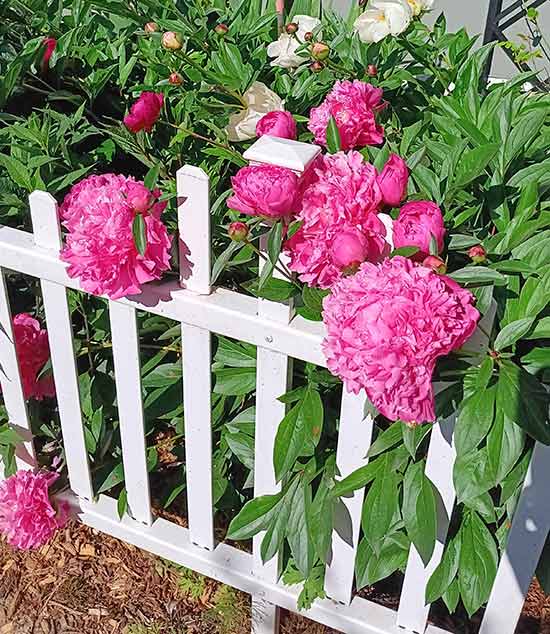
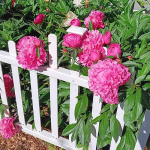
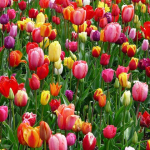
Peonies on a white fence May 2026

Mother Nature has always been the reliable one in the relationship, steady seasons, predictable rhythms, and a quiet confidence in how things grow. But lately, Climate Change has become the partner who keeps changing plans, arriving late, leaving early, or forgetting the steps to the dance. And gardeners, whether we admit it or not, we have become the reluctant mediators in this family dispute. And if you’ve spent any time in your garden this summer, you’ve probably seen the tension between them.  

I’m in King County, and we have what is called “mild marine weather.” In other words, in 2026, King County is expected to experience mild, wet winters, cool summers, and moderate precipitation year-round, with most extreme heat events being rare. This climate supports lush vegetation and outdoor activities in spring and fall, while winter is generally mild and snowy. What my “mild marine weather” doesn’t always support is bushels of corn, broccoli and one of my favorites … peppers! I must wait for Yakima’s shipment of Romas, Cherokee Purple, Brandywines, or Black Krims. I will say that my prize Peonies were stunning this year and I love them for the short time they’re here. However, it’s the organic produce that is my annual gardening challenge. 

During a Plant Clinic, McLendon clients stop by with their questions that can range from what’s eating my Early Peas, to what is this black spot on my Rose leaf and how do I treat it, to why the crows are dive-bombing my lawn? No two days are the same, which I love. I love interacting with McLendon clients for a variety of reasons. You can’t be fooled by that sweet, innocent looking grandmother’s fast pace up to our table, I know I’m about to learn something about a neighborhood I haven’t visited before. Then there is the customer who is in a rush to check out and keep their day moving … that is, until they hear “Hello, do you have a plant question that we can help you with?” There is that usual pause, the pensive look on their face, then the replay … YES, I do.” Then after 9 questions and 20 minutes later, we get a very heartfelt “Thank You.” 

As Master Gardeners, we provide weekly Ask A Master Gardener Plant Clinics throughout King County. It’s our opportunity to learn from our clients as well as give science-based answers to their questions. I’m in my 7th year as a WSU Extension Master Gardener, and I answer questions at the Renton McLendon Hardware Store, Tuesdays and Saturdays from 10am to 2pm, April through the end of September. As a Director for the Master Gardener Foundation of King County, I work within our community developing strong business relationships. The one community relationship that was handed to me on a silver platter is Renton McLendon Hardware. 

As Master Gardeners, we go where our public wants us, and McLendon provides the public for us. Their stores give us access to gardeners, homeowners, families, and curious neighbors who might never find their way to an MG event otherwise. It’s one of the reasons our Plant Clinics thrive: the community comes to McLendon, and we meet them there. 

McLendon Hardware is a community store that has served the Northwest for generations. Their staff knows their stuff. I’ve come in with little knowledge of how to repair an electrical cord that my sweet, innocent dog chewed in half and left with confidence and the right tool to repair my favorite lamp. As a Master Gardener, I’ve learned a lot watching McLendon employees take their time in responding to their customers and as a Master Gardener, I do my very best to do the same. McLendon Hardware remains strong within 7 locations and supports their area communities. We could not ask for a better partner!  

Mark Your Calendar for September 19th    After a summer of watching Mother Nature and cousin Climate Change negotiate their differences, there’s no better place to see resilience, adaptation, and garden creativity in action than our own Bellevue Demonstration Garden. It’s where the rhythms of the season, even the unpredictable ones, become teaching moments for all of us. Looking for even more garden inspiration?

Visit the Bellevue Demonstration Garden Harvest Festival on Saturday, September 19, from 10:00 a.m. to 2:00 p.m. at 15500 SE 16th Street, Bellevue. This free, family-friendly celebration features guided garden tours, a Master Gardener Plant Clinic, free educational classes, a plant sale, hands-on demonstrations, children’s activities, environmental education, floral bouquets, a garden flea market, and more. It’s a wonderful opportunity to explore the demonstration garden, meet Master Gardeners, and discover the many educational programs and volunteer opportunities available throughout King County. 

Photo Credit: Leah Alden-Jaswal 

Marie Kurka-Brown, Extension Master Gardener, Class 2020 & Foundation Director 

Plants To Feed The Birds By Bruce Bennett (WSU Certified Master Gardener)

Berry Plant

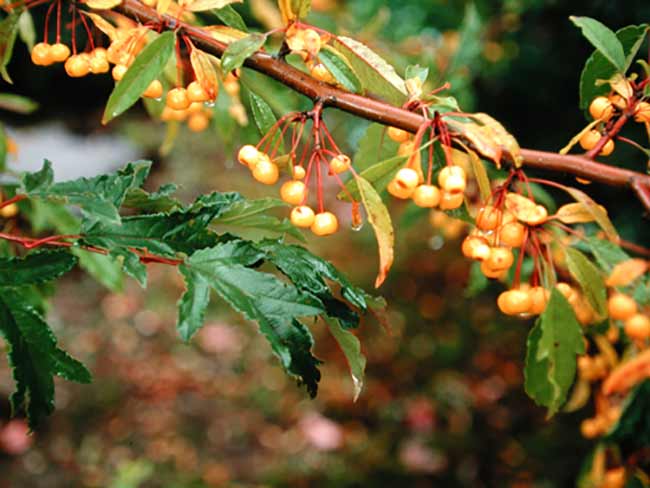
This month’s column was started during the first week of December while I was digesting the (hopefully) last turkey and cranberry sandwich of the season.  Looking out the living room window into the fog drenched back yard, I watch the robins making their own lunch on the very small yellow fruit of a ‘Golden Raindrops’ Crab Apple tree (Malus transitoria ‘Schmidtcutleaf’).  One of the reasons for the purchase of the tree was because of this very reason – the feeding of winter’s wildlife and the increased visual interest for me.  Spring brings fragrant white blooms to this tree.  Summer provides yellow-green deep-cut leaves and then transitions to yellow and orange in autumn.  After the leaves fall, early autumn provides a golden haze of tiny crab apples and, through January, the aerial antics of robins and other birds eating the fruit.  I suppose the heated birdbath also helps to attract them when other water sources are covered with a layer of ice. 

I mention this crab apple as an example of getting the biggest bang as possible for your garden design buck; greater visual interest as well as a way to keep birds in the yard throughout the year.  The deal is that you feed them now and they feed on the insects in your yard for the rest of the year.  Some, like hummingbirds, will stay year-round while other ‘snowbirds’ will remember this back yard next winter.   This is also a garden design decision.  What plants will be placed beneath the spreading branches?  What other plants in the yard will echo the gold tones of the leaves and apples of ‘Golden Raindrops’?  Ornamentals and/or natives?  A ground cover or grass or gravel?   It is possible to exercise one’s artistic skills and still help to protect and diversify nature with the same thoughtful actions (And, in answer to one reader’s question, all plants mentioned in these columns are hardy to our hardiness zones).  If you want to help the birds in your yard during those harsh winter months, there are a number of native and non-native shrubs and trees that will help provide food and shelter for them, with the addition of extended visual interest for you during our dreary winter months.

For taller native plants, consider the Eastern and Western Serviceberries (Amelanchier canadensis and utahensis).  Depending on the cultivar, they will grow to 6’ – 15’ and will hold any uneaten berries through the winter.  The Western Staghorn Sumac (Rhus glabra) (shown above) has a good-looking autumn color and will attract many varieties of over wintering birds.  Your cold-weather buggies will quickly recognize the natives and take a bit longer to learn about the other ornamental berries in the yard. 

Winterberry Hollies (Ilex verticillata) are natives whose cultivars can have fruit that range in color from yellow to orange to red.   They are deciduous and scene stealers in autumn and winter, especially when backed by taller, contrasting plants. They are adaptable to both wet and dry soils.  Remember you will need both male and female (dioecious) plants for fruit production. This will be true for many berry-bearing plants.  It is why I continue to mention the idea of gardeners doing their research before making plant purchases.  

For non-native food sources, consider fruitful, deciduous Japanese Barberries.  The are many varieties which offer leaf colors from chartreuse to orange, red and burgundy and sizes from 1’ – 10’ tall.   Excellent for full sun, this shrub has few invasive tendencies in western Washington.

The Beauty Berry ‘Profusion’ (Callicarpa bodinieri) has the WOW factor you want in the way of a winter berry-bearing shrub that will feed wildlife and have your neighbors taking a second look at your yard.  Another excellent family of plants are the viburnums.  Both deciduous and evergreen, for sun or shade, these shrubs are workhorses in the landscape with dark blue fruit that will feed your birds.

And, although related to neither berries nor seeds, think about adding a heated feeder for the Anna’s Hummingbirds that stay with us year-round and are joined by Rufous and Calliope hummingbirds for summer before again migrating to Mexico in September and October.

Look at providing your wildlife with a smorgasbord of meals and increased landscape interest by adding some seed-producing perennials to your landscape.  Obvious candidates include ornamental grasses, Coneflowers (shown at left), Coreopsis, Tall Phlox, Asters, Black-eyed Susans, Globe Thistles and Sedums.  There are a number of annual plants that will also nourish your garden wildlife.  I don’t use many annuals in the yard, but, the ones that do come to mind include Marigolds, Cosmos and Sun Flowers. Feed your birds this winter and they will feed your sense of winter whimsey and eco-accomplishment.           

A Couple of Random Thoughts………..

Did you realize that, even in winter, you can still get answers to your indoor and outdoor plant and disease questions from the Master Gardeners of King County?  They are available to assist you year-round with your horticultural conundrums.   Send your questions (and photos) to them at:  extension.wsu.edu/king/ask-a-master-gardener/ and keep our local gardening volunteers mentally stimulated, rather than hibernating. 

And, let’s not forget to reserve a day (or three) between February 19 & 23 for the NW Flower and Garden Festival.  This is the second (after Philadelphia) largest horticultural extravaganza in the country.  The acres of display gardens and vignettes are spectacular and the 400 plant and other vendors, with their well-grown new plants, garden art, etc., should not be missed.  Probably the best feature is the excellent selection of 130+ seminars on a wide variety of topics.  All this and other daily events for just the cost of a ticket.  For more details, visit the event’s website at www.gardenshow.com.  I expect to be at the Washington Master Gardeners Booth (#2158) during parts of the Festival.  Feel free to come by, say Hi! and, whether I am there or not, ask your horticultural questions to the experienced veterans of the program.  Until next month, Happy New Year and Happy Gardening!  

Additional Reading

Erickson, Laura. 100 Plants to Feed the Birds: Turn Your Home Garden into a Healthy Bird Habitat. 2022.  North Adams, MA:  Storey Publishing.  

Shewey, J, & Blount, T. Birds of the Pacific Northwest.  2017.  Portland, OR: Timber Press. 

Tekiela, Stan. Birds of Washington Field Guide. 2022. Cambridge, MN:  Adventure Publications.

Waldon, Robert. Feeding Winter Birds in the Pacific Northwest. 1994.  Seattle, WA: Mountaineers Books. 

Contributing columnist, Bruce Bennett, is a WSU Certified Master Gardener, Certified Professional Horticulturalist, garden designer and lecturer.  If you have questions concerning this article, have a gardening question or two to ask concerning your own landscape or want to suggest a topic for a future column, contact him at gardenguy4u@gmail.com

May In The Seattle Garden By Bruce Bennett

Seattle Gardening In May

This month, I have taken to sitting on the back deck with my morning coffee in-hand and enjoying the fresh emerging beauty of springtime across the landscape.  The new ruby-tinted foliage of the Andromeda/Lily-of-the-Valley Shrub ‘Variegata’ (Pieris japonica) echoes the red flowers of the ten-foot-tall Rhododendron ‘Vulcan’ and the newly opened buds of Azalea ‘Hino Crimson’. 

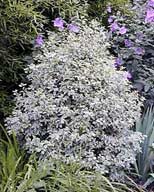
These plants are color counterpointed by the whites of the shrub New Zealand Pittosporum/ Kohuhu ‘Variegata’ (Pittosporum tenuifolium – pictured right), COSTCO-size pots of cascading green and white Wintercreeper ‘Emerald Gaiety’ (Euonymus fortunei) and the upright exclamation points of Sweet Iris ‘Variegata’ (Iris palida). 

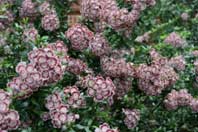
Later in the season, the flowers of Crabapple ‘Golden Raindrops’ (Malus transitoria) and Mountain Laurel ‘Olympic Fire’ (Kalmia latifolia – pictured left) will repeat this red  and white color combination.  The views and scents carried on the warming air make the work of gardening worth all the effort.  The background of deep burgundy leaves from the Purple Smoke Bush ‘Purple Robe” (Cotinus coggygria), added to the blooming bulbs and emerging hostas, make all the colors in the yard POP.  All this botanical wonder tells me we are in ‘the lovely month of May.’ 

We have passed the final major hurdle of winter – the Last Frost Date.  Depending on your local micro-zone, this date is somewhat flexible.  Even my own North Seattle dates will vary from one year to the next.  These days, I’d say that April 15 – 20 is appropriate for most USDA Zone 8/9 plants.  However, do remember that frost dates are based on historical climate data and are not set in stone.  Over-all climate change will have these dates moving earlier in the year. The probability of frost occurring after the spring frost date or before the first autumn frost date is 30%, which means there’s still a chance of inflicting itself upon our yards before or after the stated dates!  Always keep an eye on your local weather forecast and plan to protect tender new plants accordingly.  Regardless of when the big box stores and garden centers begin selling herbs and vegetable starts, for me, the planting of warm weather taste-treats, such as basil, cilantro and the all-important tomatoes, does not happen until after May 1.  As many of you already know, I’m a thrifty (AKA cheap) Connecticut Yankee and don’t intend to spend the money on these cold-tender plants more than once a year!

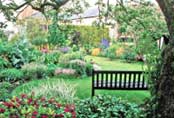
I usually say that I have a large ornamental and perennial garden. The fact is the entire area around the house is garden, with the only lawn to be seen in my surrounding neighbors’ yards (Hmmm, we may need to take a look at the topic lawn alternatives in the future – what do you think?).  In order to stay on top of gardening tasks, my wife and I keep a loose schedule of jobs to be completed. By the end of March, the planting beds have been spring-cleaned and last year’s perennials cut back, as well as the shrubs that that flower on new wood. There is a bit of bed edging to do and fertilizers or compost to spread.  In April, we transplanted and divided everything that needed it and, of course, started to add new plants to the ever-changing landscape.  Let’s face it, gardens are never done!  They continue to be works-in-progress and teach us that Life is all about change.

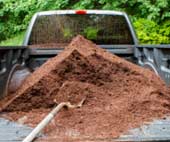
Now, it’s May and I can totally enjoy the beauty of last year’s work and this spring’s recent efforts.  The biggest job on the May ‘To-Do List’ is mulching. I think there will be some two yards of medium-ground bark mulch in my near future.  Remember, that one important reason to mulch is to keep the soil cool in the summer and retain moisture. If you are looking forward to planting annuals, let the soil warm up a bit more.  If you plant your annuals too early in cold soil, they will just sit there doing nothing until a bunny (Easter or otherwise) comes along to eat the tender growth. It’s best to wait until May 15 to plant annuals in the ground. While you are waiting, though, if you haven’t already done it, plant your pots. Soil in pots gains heat much quicker than ground soil, so, plant them. I usually do mine by the end of April. Should we get a frost warning, move them into the garage overnight or stick a garden stake in the center of them and throw a tarp, sheet or piece of plastic over their heads to make a temporary cloche.

As the bulbs finish flowering here and there in the yard, they should be deadheaded.  Cut just the spent flowers or entire flower stem off, but never the leaves. Cutting the leaves off prematurely will prevent the bulb from completing its photosynthesis process which allows the plant to convert the sun’s energy to necessary nutrients. In other words, the bulb will weaken and eventually disappear if you continue to cut off its green leaves. Wait until the leaves turn brown. You can fold the leaves with a rubber band to make browning leaves less noticeable.  Planting your bulbs among later emerging perennials (I like hardy geraniums for this job) and groundcovers will also help to camouflage the withering leaves.

During April and May, you have been enjoying the blooms of all early flowering shrubs. May is the time to prune those shrubs if you want to reduce their size or otherwise change their shape. Also check for damaged, diseased or crossing branches and cut them out.  If you pay attention to your azaleas, lilacs, rhododendrons, etc., you will notice that shortly after blooming they start setting next year’s buds. If you prune these shrubs in July, which many people do, you will get few-to-no flowers next year. Prune them shortly after they finish flowering before they set those new buds.

Now back to the mulch. Choosing the type of mulch to use is also a topic for another article. However, whatever you choose, wait until the soil is warm, then add two to four inches. Spread it carefully around your emerging perennials and shrubs and newly planted annuals. The mulch will not only make your garden look finished, it will also keep the soil cool in the heat of summer, help retain water, prevent weeds and add organic material to your soil. After spreading my mulch over a planting area, I like to use a pre-emergent, such as corn gluten, to prevent/reduce weed seed from germinating without damaging other plants that are already growing.  When your neighbor’s dandelion seeds blow into your garden, the pre-emergent will stop them from developing for up to three months. Just remember not to spread it anywhere you are counting on certain flowers to self-seed.

I think of March, April, and May as the building block months for gardens. When the above-mentioned tasks are completed and the mulch is spread, I see the hard work of the new gardening season is over (and I can rest my back). The remainder of the growing year consists of, basically, general light maintenance, watering, insect/disease vigilance and the all-round sensory enjoyment of what has been created (preferably from the back deck with a cup of coffee, in-hand of course).  Happy gardening all!

Contributing columnist, Bruce Bennett, is a WSU Master Gardener, lecturer and garden designer. If you have questions concerning this article, have a gardening question to ask concerning your own landscape or want to suggest a topic for a future column, contact Bruce at gardenguy4u@gmail.com

Go to Top