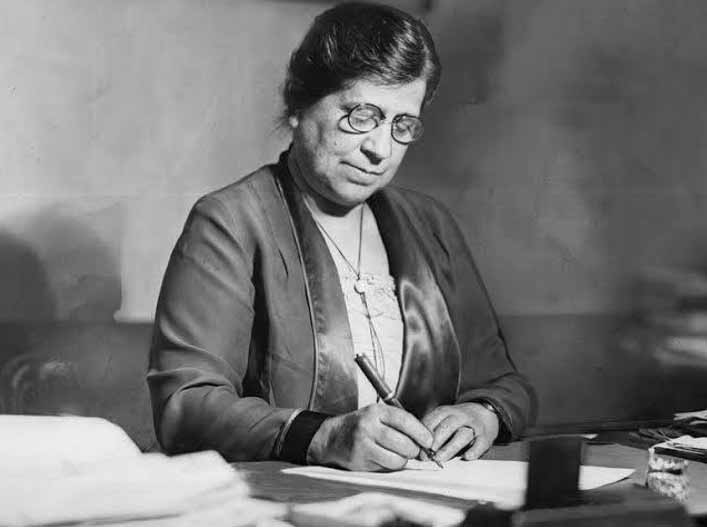
Bertha Knight Landes made history in 1926 when she became the first woman elected mayor of a major American city, Seattle. At a time when women were still fighting for broader political representation and public leadership opportunities, her election marked a remarkable milestone in American civic life. Landes’s leadership helped reshape Seattle during a period of rapid urban growth while also setting an important precedent for future generations of women in government. Her tenure as mayor was defined by reform, administrative discipline, and a commitment to improving the integrity and functionality of city government.
This article explores Landes’s early life, her rise in civic leadership, the historic campaign that brought her to office, and the lasting influence she left on both Seattle and the broader role of women in American politics.
Early Life and Influences
Bertha Knight Landes was born on February 23, 1868, in Ware, Massachusetts. She grew up during a time when American cities were expanding rapidly and new opportunities for social and civic engagement were emerging. Although she was born in New England, her future would ultimately become closely tied to the Pacific Northwest.
Like many women of her era, Bertha initially followed a path centered on family life. She later moved west and eventually settled in Seattle with her husband, Henry Landes, a professor of geology at the University of Washington. Seattle in the late nineteenth and early twentieth centuries was a city experiencing dramatic transformation. Commerce, shipping, and industry were expanding, and civic institutions were evolving quickly to meet the needs of a growing population.
Living in this dynamic environment exposed Bertha to the challenges of municipal governance and the importance of civic engagement. Over time, she became increasingly involved in community organizations and reform efforts that sought to improve public institutions and promote responsible government.
Education and Intellectual Development
Bertha Knight Landes pursued higher education later in life, enrolling at the University of Washington and graduating in 1911. At a time when many women had limited access to higher education, her decision to attend college while raising a family reflected both determination and intellectual curiosity.
Her university experience strengthened her interest in public affairs and gave her the confidence to engage more actively in civic leadership. She developed strong communication skills and became known for her ability to speak clearly and persuasively about issues affecting the community. These abilities would later become one of her most effective tools in public life.
During this period, the women’s suffrage movement was gaining momentum across the United States. Women were organizing politically, advocating for voting rights, and pushing for broader participation in public decision making. These developments influenced Landes and reinforced her belief that women could play meaningful roles in shaping government and community institutions.
Early Civic Leadership
Before entering formal political office, Bertha Knight Landes became active in a variety of civic organizations focused on education, public welfare, and municipal reform. These organizations often served as important platforms for women who wished to influence public policy during a time when political leadership was still overwhelmingly dominated by men.
One of her most notable roles was serving as president of the Seattle Women’s Club, an influential civic organization that promoted education, cultural programs, and responsible governance. Through this leadership position, Landes gained valuable experience organizing initiatives, guiding discussions, and building consensus around civic issues.
Her growing reputation for integrity and thoughtful leadership eventually led to her election to the Seattle School Board. In this role, she addressed practical challenges involving school funding, administration, and educational standards. The experience provided her with a deeper understanding of how municipal systems functioned and further strengthened her reputation as a capable public servant.
Entry into City Government
Landes’s political career expanded significantly when she was elected to the Seattle City Council. In 1924, she was chosen as president of the council, a position that placed her in line for mayoral responsibilities when necessary.
That opportunity came sooner than expected. In 1924, Seattle Mayor Edwin J. Brown was removed from office following a corruption scandal related to illegal gambling and vice operations. As president of the City Council, Landes briefly served as acting mayor. During this short period, she demonstrated a firm commitment to restoring order and enforcing the law, particularly with regard to illegal gambling and violations of Prohibition.
Her decisive leadership during this temporary appointment earned her widespread public attention and helped establish her reputation as a serious reform-minded leader capable of managing the city’s government.
The Historic 1926 Mayoral Campaign
In 1926, Bertha Knight Landes launched a campaign for mayor of Seattle. Her candidacy came during a time when women had recently secured the right to vote nationwide through the Nineteenth Amendment. While women were increasingly active in politics, few had sought or attained major executive leadership positions in city government.
Landes presented herself as a reform candidate committed to efficiency, honesty, and accountability in municipal administration. Her campaign focused on improving city services, strengthening law enforcement, and eliminating corruption that had damaged public trust in local government.
She mobilized support through speeches, public forums, and extensive outreach to civic groups throughout Seattle. Her long involvement in community organizations and women’s clubs provided a strong base of support, while her reputation for integrity attracted voters who wanted meaningful reform in city leadership.
When the votes were counted, Landes won the election decisively. Her victory made national headlines and established her as the first woman elected mayor of a major American city.
Leadership as Mayor
As mayor, Bertha Knight Landes pursued a disciplined and reform-oriented approach to governing. She prioritized strengthening the integrity of city government and ensuring that municipal agencies operated with transparency and accountability.
One of her most notable priorities was enforcing Prohibition laws and addressing illegal gambling operations that had previously flourished in Seattle. Landes worked to reform the police department and demanded stricter enforcement of existing laws, believing that public confidence in government depended on consistent and fair application of the law.
In addition to her focus on public safety and ethics, Landes supported improvements to Seattle’s infrastructure. She advocated for better roads, bridges, and public transportation systems to accommodate the city’s growing population. Her administration also encouraged improvements to parks and recreational facilities, recognizing that well-maintained public spaces contributed to community health and civic pride.
Landes approached municipal leadership with a practical understanding of governance. She emphasized efficiency in city administration and believed that government should operate responsibly and serve the everyday needs of residents.
Legacy and Historical Significance
Although Bertha Knight Landes served only one term as mayor, her impact on American political history was profound. Her election demonstrated that women could successfully lead large and complex urban governments during a time when such leadership was still widely questioned.
By breaking this barrier, she helped reshape public expectations about women’s roles in politics and public administration. Her success encouraged greater participation by women in civic leadership positions across the United States in the decades that followed.
Landes’s leadership also left a lasting impression on Seattle itself. Her emphasis on reform, accountability, and responsible governance contributed to a broader movement toward cleaner and more professional municipal administration during the early twentieth century.
Today, Bertha Knight Landes is remembered as a pioneering figure whose courage and determination expanded opportunities for women in public life. Her story stands as a reminder that meaningful political change often begins with individuals willing to challenge established norms and lead with integrity.